

Bores, Bullets, and Little Dots
High Level Stupidness

When he needed a volunteer for some shitty job, my drill sergeant had a habit of yelling from his office, “Second platoon, give me a man!” My dad had told me to always be the first to volunteer, and my bay in the barracks was right across from the drill sergeant’s office. So, when he yelled, I ran to the door and was always first. After this happened several times, he asked me why I was always the first one who came when he yelled that he needed a man? I smugly told him I was the only man—Mann—in his platoon. After that, when I showed up first, he always sent me away and chose some other poor sole for the shitty job.
Names matter.
Remember your first day of school. The teacher asked everyone to stand and say their name? This was for identification purposes. Some kids had the same first name, so they had to be distinguished by their last name or a nickname. (Drill sergeants prefer nick names, usually nick names that are less than flattering. My drill sergeant called one guy in our platoon “Big Nose Kate” and another “Little Tits.”) When it comes to metallic cartridges, it’s just like first grade or basic training; cartridges have names for identification—and marketing—purposes, not for illustrating caliber.
I know, I know, when most gun magazines and websites list a cartridge by name they include a decimal point before the name, like .30-06 Springfield. This is because most gun magazine and website editors don’t know any better and believe that because of editorial rules these numbers they think are measurements should be illustrated as such. Or maybe, they just do it because Jack O’Connor did it. Bless their hearts, they probably have some sort of English degree from some big name university and are trying to follow the AP Stylebook like they work for the New York Times.
But they’re wrong.
The Sporting Arms and Ammunition Manufacturer’s Institute (SAAMI) is the organization that standardizes all firearms and ammunition specifications in America, to include the proper names and abbreviations for cartridges, SAAMI explicitly states: “A decimal point is never included preceding the numerical caliber component of any cartridge name. That is, “308 Win” is correct, but “.308 Win” is not. Of course, decimals are included as needed in metric cartridge names such as the 6.8mm Remington SPC.”
In fact, the proper un-dotted names and abbreviations of rifle and pistol and revolver cartridges is so important it is the first thing they wrote—it’s on page one in SAAMI standards Z229.3-2022 and Z229.4-2025.
SAAMI clearly understands that these are cartridge names and not measurements, and it’s time everyone else got on board. While on the topic of stuff people write and say wrongly, the word “caliber” is as misused as decimal points when it comes to cartridge names. Caliber describes the size of the hole in the barrel of a rifle or handgun, and there is even some confusion with regards to which hole size it should reflect. I started to list examples from the sporting press of both of these mistakes, but its just easier to just say everyone but Field & Stream is making them.
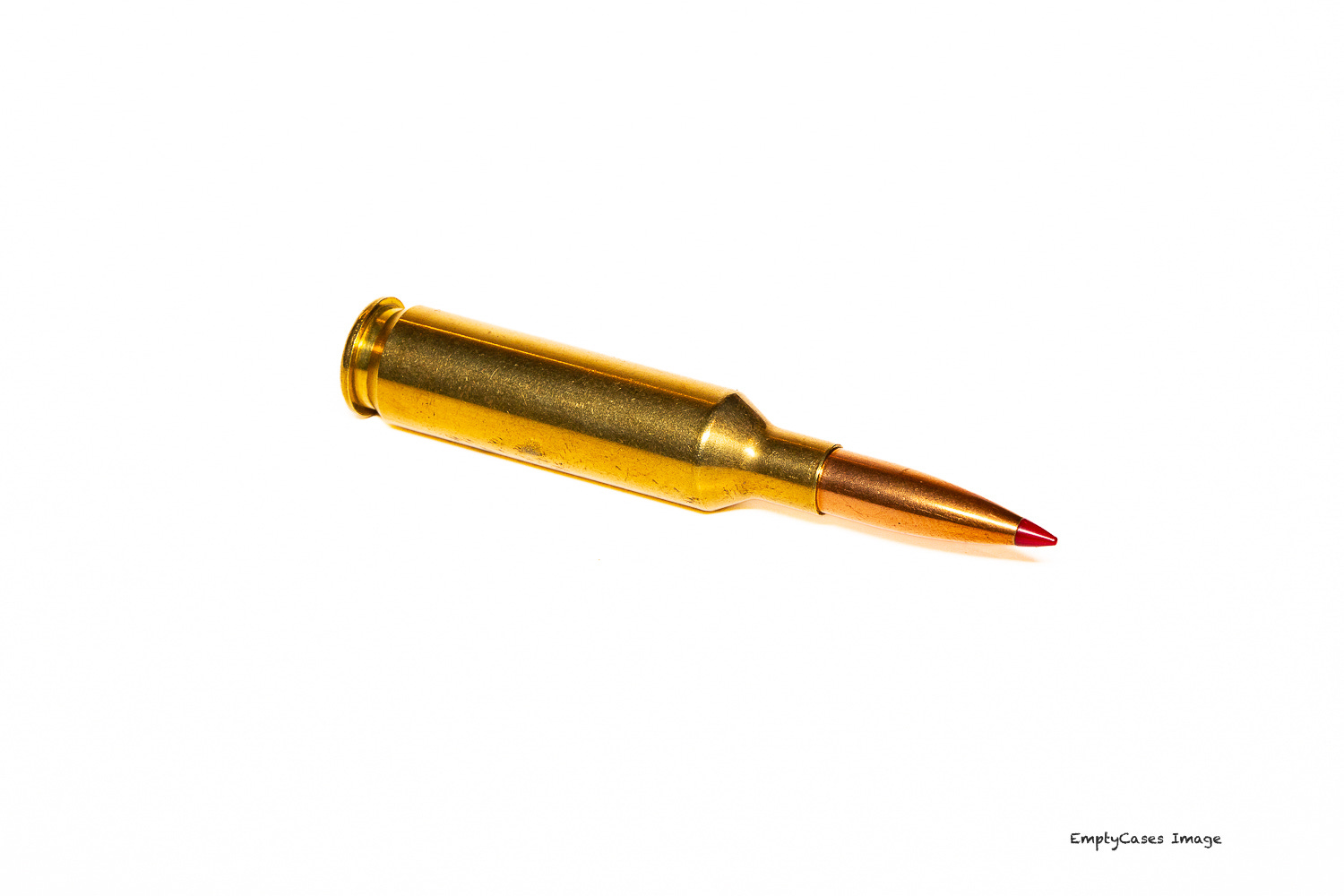
When a barrel is drilled, the resulting hole/bore has a diameter. As an example, let’s look at the 25 Creedmoor. When the barrel is bored the diameter of the hole is 0.250-inch, so you could say it is 0.250-caliber. However, when the rifling grooves are cut into the barrel, the groove to groove diameter will be 0.257-inch. So, you could also say it is 0.257-caliber. This also makes sense because a 25 Creedmoor fires 0.257-caliber bullets. However, while the 25 Creedmoor can be described as a 0.250- or 0.257-caliber, 25 Creedmoor is not a “caliber” it’s a “cartridge,” so, don’t call cartridges calibers, it makes you look like you don’t know what you’re talking about because, well, you don’t know what you’re talking about.
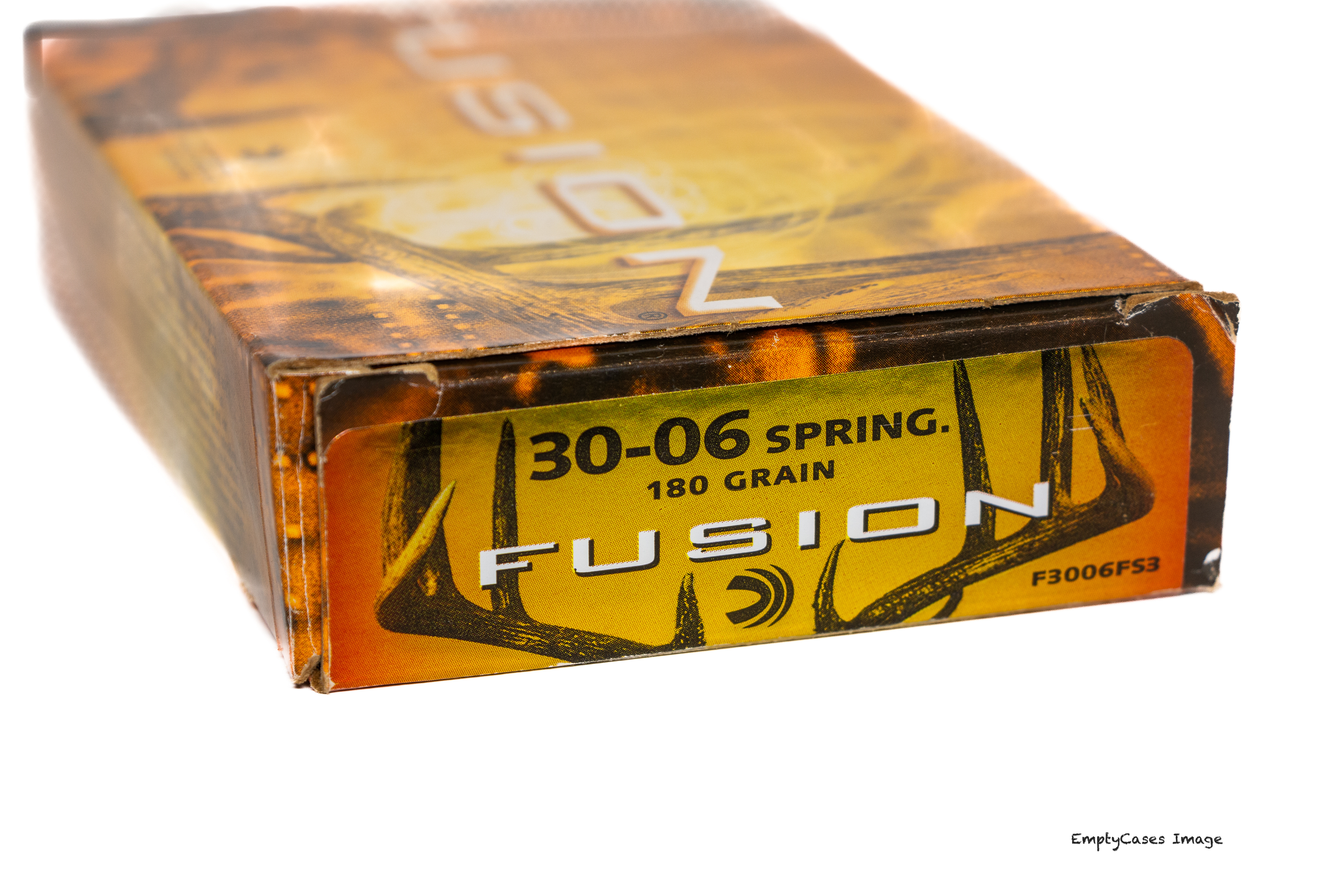
When Federal makes ammunition, they don’t use decimal points in the cartridge’s name on the box because the ammo comes in because they follow SAAMI standards. But, inexplicably, on their website, if you want to search ammunition by cartridge you have to “Shop by Caliber,” and if you click that button you are presented with a selection of cartridges to choose from. At least none of the cartridges listed have a decimal point at the beginning. On Hornady’s website if you filter by “CARTRIDGE,” all the cartridges listed are done so to the SAAMI standard.
This is all very straightforward stuff that you do not need a university education or style guide to understand. However, when it comes to cartridge names there is a lot of additional goofiness going on, and maybe this stimulates others to stupidly used decimals and call cartridges, calibers. To help illustrate what I’m talking about let’s look at one of the greatest rifle cartridges of all time: the 7x57 Mauser.
The 7x57mm Mauser has a bore diameter of 0.2755-inch and a grove-to-groove diameter of 0.283-inch. In metric terms, 0.2755-inch equals 6.9977mm. OK, I’m good with that, that’s close enough to 7mm for me. But here’s where it gets weird. When British gun makers made a 7mm Mauser rifle, their pride would not let them use the German metric name so they called it a 275 Rigby. This was also partly because, just as with the 303 British, Brits liked to name a cartridge based on its Imperial as opposed to metric bore (land-to-land) diameter. And get this, for all you 7mm lovers out there, you’re not really shooting 7mm bullets, you’re shooting bullets that measure 0.284-inch (7.21mm) in diameter. 7mm cartridges are really 0.284-caliber, not 7mm caliber. This is, I would assume, why Winchester named their first 7mm cartridge the 284 Winchester.
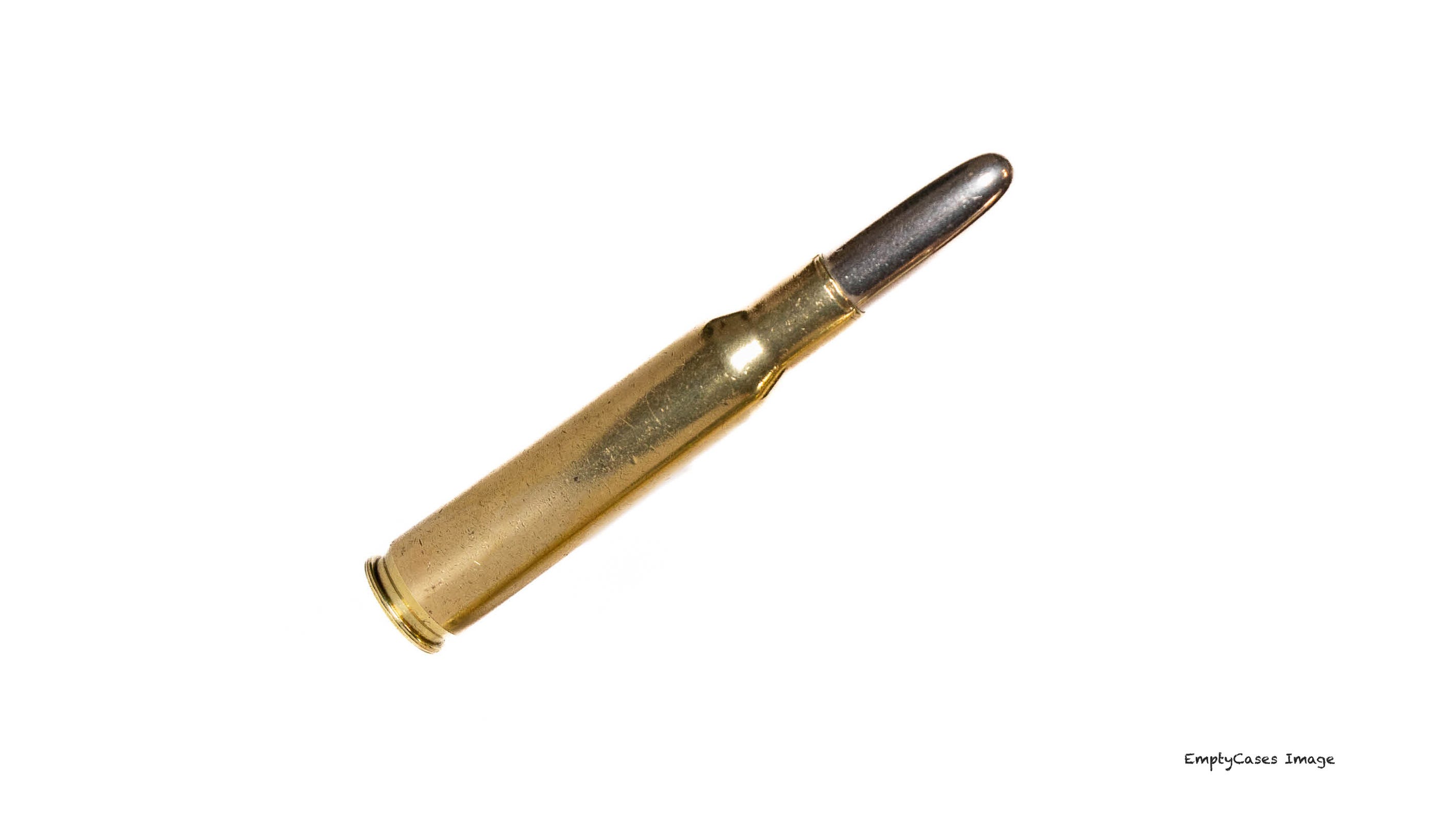
Remington on the other hand got really confused about all this and in the process confused everyone else. In 1957 they introduced the 280 Remington, which fired a bullet of the same diameter as the 7x57 Mauser, but instead of calling their new cartridge a 7mm, or a 7.21mm, or a 0.275-caliber, they called it the 280. But not always. In late 1978 Remington renamed it the 7mm-06, because it was based on the 30-06 Springfield cartridge case. (And because it was not selling well.) This kind of made perfect sense, but apparently due to some drunken executive meeting, a month or so later they changed the name to 7mm Express (Because it was still not selling well.) This worked about as well as calling a cat a dog, so in a few years the cartridge was once again, the 280 Remington and it has a bore diameter of 0.277-inch.
Yeah, I know what you’re thinking…
The 270 Winchester fires a bullet that measures 0.277-inch in dimeter. So, what in the hell is going on here. A 270-Winchester fires a bullet that is same size as the bore diameter of a 280 Remington, but a 280 Remington fires a bullet that matches its groove diameter of 0.2837-inch (0.284), which is not 7 millimeters, and the groove diameter of a 270 Winchester barrel is 0.277 (Which is 7.03mm.) with a bore diameter of 0.270. So, in the case of the 270 Winchester—which is really as much of a 7mm as a 308 Winchester is a 0.30-caliber, the 308 got its name from its bore diameter. (The 308 Winchester fires a 0.308-inch bullet, rounded up it would be a 0.31-caliber.) I can hear you yelling at those who name cartridges now, because the 32 Winchester Special got its name from its groove-to-groove diameter, and the 44 Rem Mag has nothing at all to do with 0.44-caliber, except that a 44 Rem Mag revolver can also fire 44 S&W Spl ammo, which is not a 0.44-caliber cartridge either.
Here is another interesting observation. According to SAAMI, the proper abbreviation of the word “Special” in a cartridge name is properly written as “Spl” without a period.
Honestly, I’m not making any of this shit up. All these dimensions are available, to confuse your own eyes and mind, on the SAAMI website: www.saami.org. But this silliness is a perfect illustration of why we should not use decimals in cartridges names because those numbers are only suggestions created with marketing potential in mind. And it’s also why we should not call cartridges, calibers, because most of the numbers in cartridge names are not the same as the real caliber of the cartridges.
As time marched on, most of the good names and numbers were beening used in about every way they could be, so we started seeing more and more creativity. Look at the 300 AAC Blackout. It fires a 0.308-inch bullet down a barrel with a bore diameter of 0.300-inch, and with a groove diameter of 0.308-inch. (OK, they went with bore diameter, instead of the land-to-land diameter on this one like they did with the 308 Winchester.) But what in the hell does “Blackout” have to do with anything? I’m surprised some woke fool has not come out and declared it to be racist and designed for genocide.
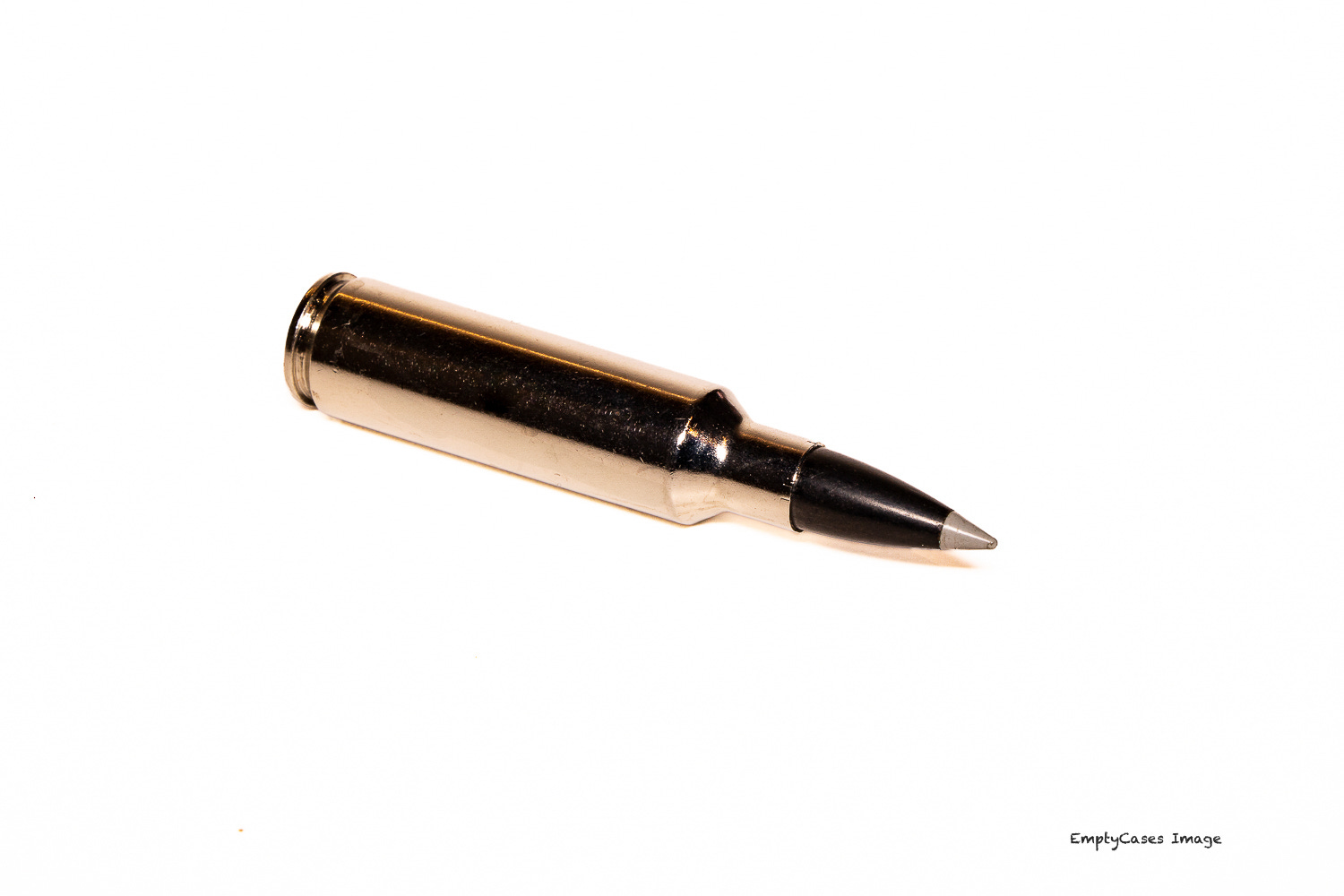
And what about 224 Valkyrie? A Valkyrie is one of a group of maidens who served the god Odin and were sent by him to the battlefields to choose the slain who were worthy of a place in Valhalla. And then there’s the 6.8 Western which shoots the same size bullet as a 270 Winchester, but 6.8 millimeters has nothing to do with a 0.277-inch diameter bullet or a 0.270-inch bore. (It’s actually really close to 0.264-caliber.) Maybe this cartridge is banned east of the Mississippi, and if it isn’t, it probably should be just because of its stupid name.
There’s really no end to this silliness which proves that a cartridge’s name really has very little to do with much of anything. It’s why when I’m hunting with a 270 Winchester and someone asks, “What caliber ya shooting?” I’ll say, “Seven millimeter.” If they want to know what cartridge my rifle is chambered for, then by God that’s what they should ask me. And, while we’re at it, if decimal points really belongs in cartridge names them, we should be saying them. When we talk about a 243 Winchester we should be saying, “point two four three Winchester” or “point two hundred and forty three.”
Cartridge names are just nothing but names. Those names are written on cartridge boxes to make sure you purchase the correct ammunition, and they’re stamped on the head of cartridge rims to make sure you put the correct ammo in your firearm.
Cartridge names are just like people names. You got your first name because it sounded cool, and your second name tells where you came from. I’ve yet to see anyone with a decimal point in their frigging name, but I’m sure there’s some fool out there who has one in theirs. Their father was probably the editor of some gun magazine and just could not help themselves.
Maybe we would be better off if we just let Drill Sergeant's name rifle cartridges. It would be a hell of a lot more fun.

I can see that. "Dick" used to be a common nickname for Richard, and everyone called my father "Dick." After I became an adult, they started calling him "big Dick." I guess you can imagine what they called me....
I think I remember we spoke about this ‘round a campfire or two in Africa.