

Hunting Stories
More than images and captions

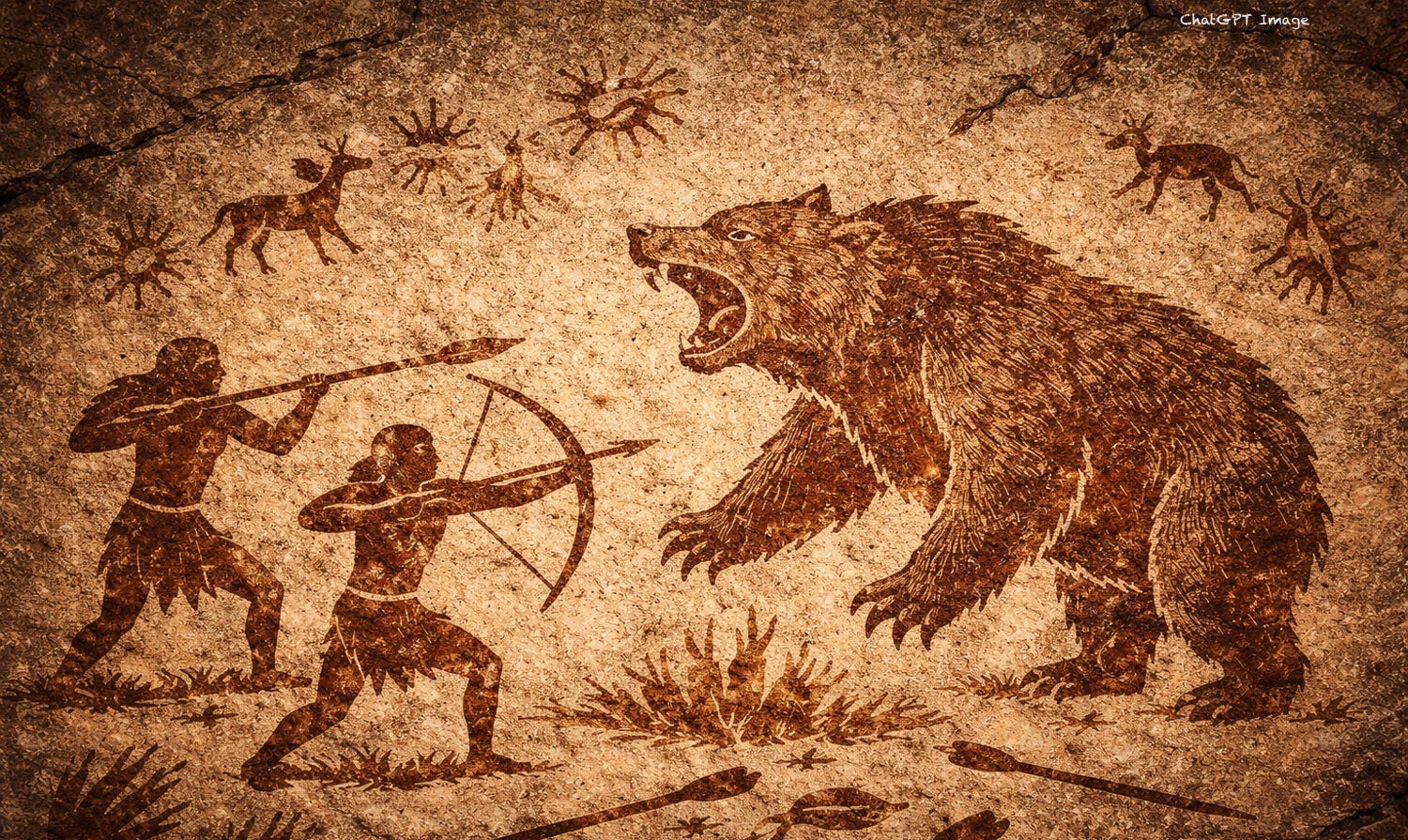
Considering that today you can knock out a hunting story on your smart phone and post it to social media in just minutes, the act of relaying a wilderness adventure might not seem all that important. However, what you might want to consider is why you even bother sharing an experience of a hunt with social media friends or even the world. Well, you may not have a choice in the matter because humans have been telling hunting stories forever. It’s thought that one of the oldest examples of a hunting story is depicted in Indonesian cave art supposedly dated to more than 50,000 years ago.
Maybe you don’t poke out a hunting story on your smart phone or even jot one down in a journal, but if you hunt, you tell other humans about it. Maybe you just tell the story over a few beers at the pub, or maybe you recount your adventure around a campfire with friends. It could be as simple as calling your buddy to tell him you shot a few ducks, or you might start the tell a bit differently with how cold your fingers were as you were hunkered over in the reeds enjoying the body heat your Lab was putting off. And you might share how the orange of the morning sky reminded you of the color of the pumpkins you used to carve with your grandma for Halloween as she was preparing to make pies. None of that stuff has a damned thing to do with killing ducks but it sets the scene, and the scene is what often makes a story special.
Regardless of how you share it, the point is that humans seem programed to tell hunting stories and to also consume them. But some folks are better at telling hunting stories than others. I was talking to my son the other day about how folks his age tell stories, and he said they generally start with the ending, like, “I shot a nice buck this morning.” And then they go on to tell how it happened. But he said the older generation of story tellers start at the beginning or even before the beginning, and they save the ending for the end where it belongs.
I thought this was a very astute observation and it makes sense. Our younger generation is fighting an all-out battle for their attention. A perfect example of this is how modern movies often lead with excitement and then transition to the backstory. My departed friend Melvin Forbes was a master storyteller. When he told a hunting story, he sometimes started the story days, weeks, months, and even years before the story began. I think the best story tellers do the same by building a world for you to live in as you await the climax. This gives context others can relate to, and this makes the story more meaningful.
The story is the same, it’s the tell that different. But oddly, many, many generations have taken us back to the very beginning where our hunting stories have been reduced to nothing but an image. 50,000 years ago, it was a single etching on a cave wall and today its a single or carousel of images and a few words in a caption. The difference is that the cave art has lasted forever, and the social media post will be gone and forgotten in a few days.
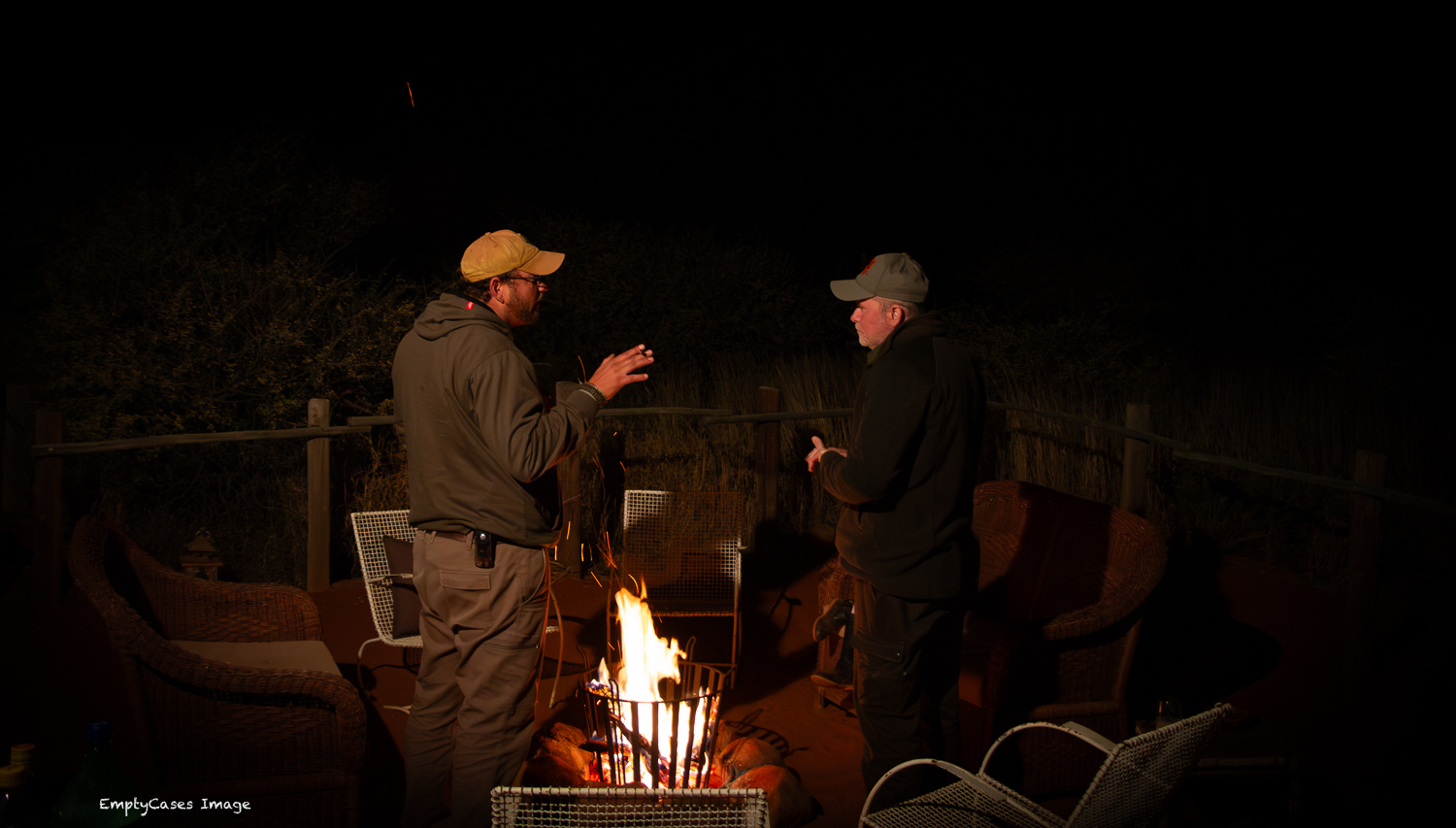
Images are wonderful and can even be epically beautiful. But a hunting story can pass through the flames of the campfire where the memory will forever become part of the atmosphere, to be breathed in, smelled and tasted, and almost lived by other hunters. You know that’s what was happening 50,000 years ago when hunters were by the fire shoving chucks of a cave bear in their mouths, and it has been happening ever since. How else do you think hunting and telling stories about it have become such an integral part of the human condition?
Hunt the hunt, take the photo, and share it with the world. But tell the story, too. Our brains make sense of the world through narrative cognition. Facts aren’t enough, we need context. The more engaging the story the longer it is remembered, the longer it is remembered the more that is learned, and the more that is learned the better and longer we live. To simply say you killed a lion does nothing to help the listener avoid becoming lion shit. It’s not enough to know why the chicken crossed the road, we need to know how he did it without getting ran over.
We’re no longer cave men creating forever lasting petroglyphs, and our hunting adventures deserve more than to just be a digital snapshot lost in a sea of meaningless content that will slip through the net of curiosity.
Tell the story. Someone will listen. And if you tell it well enough you won’t even need pictures.
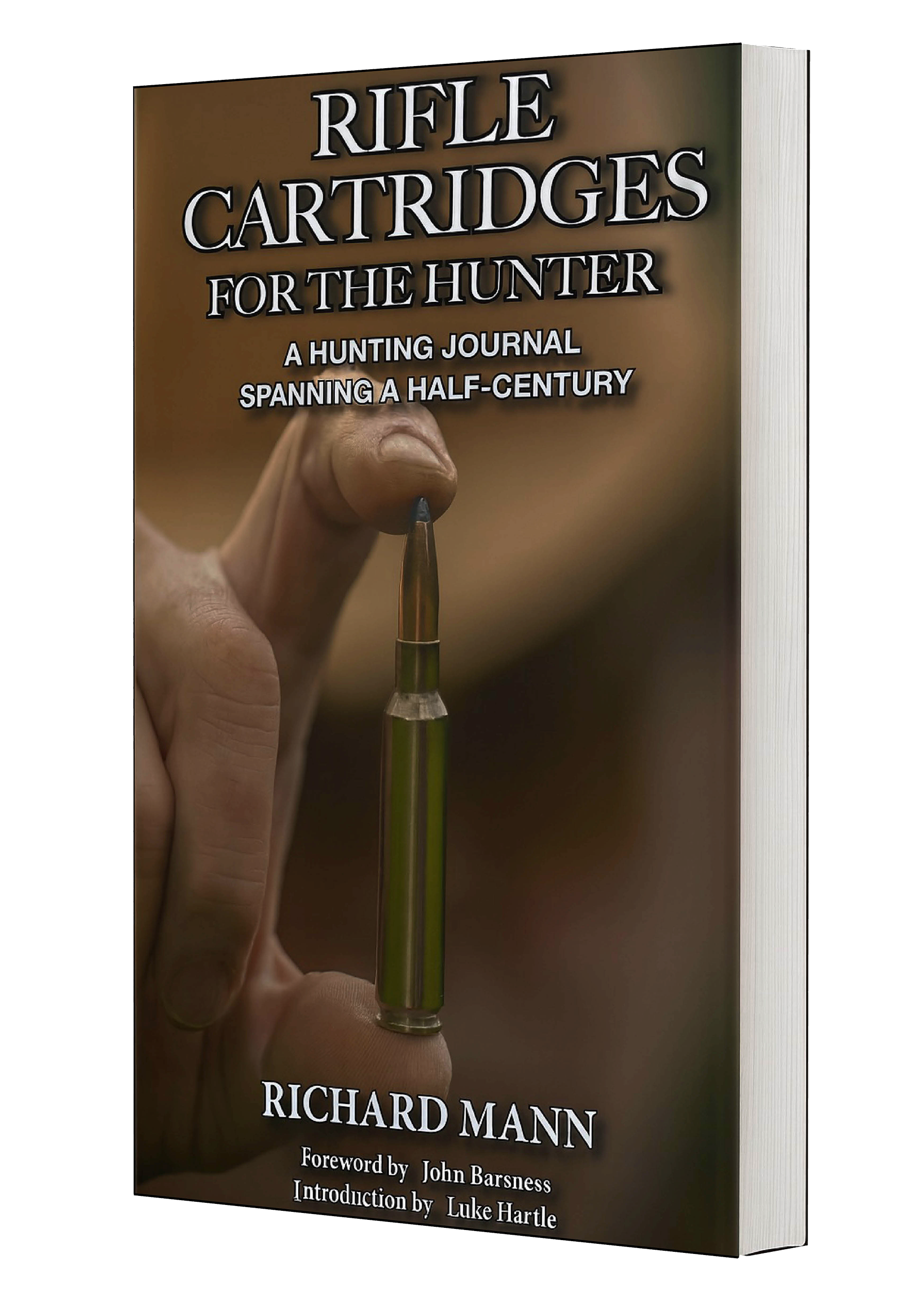
I think the most interesting aspect of my latest book, Rifle Cartridges for the Hunter, is that it is not a reference book of ballistic facts and comparisons, much more than that it is a collection of hunting stories detailing my experiences with 50 different rifle cartridges.