

My First Safaris
Journeys through the mountains

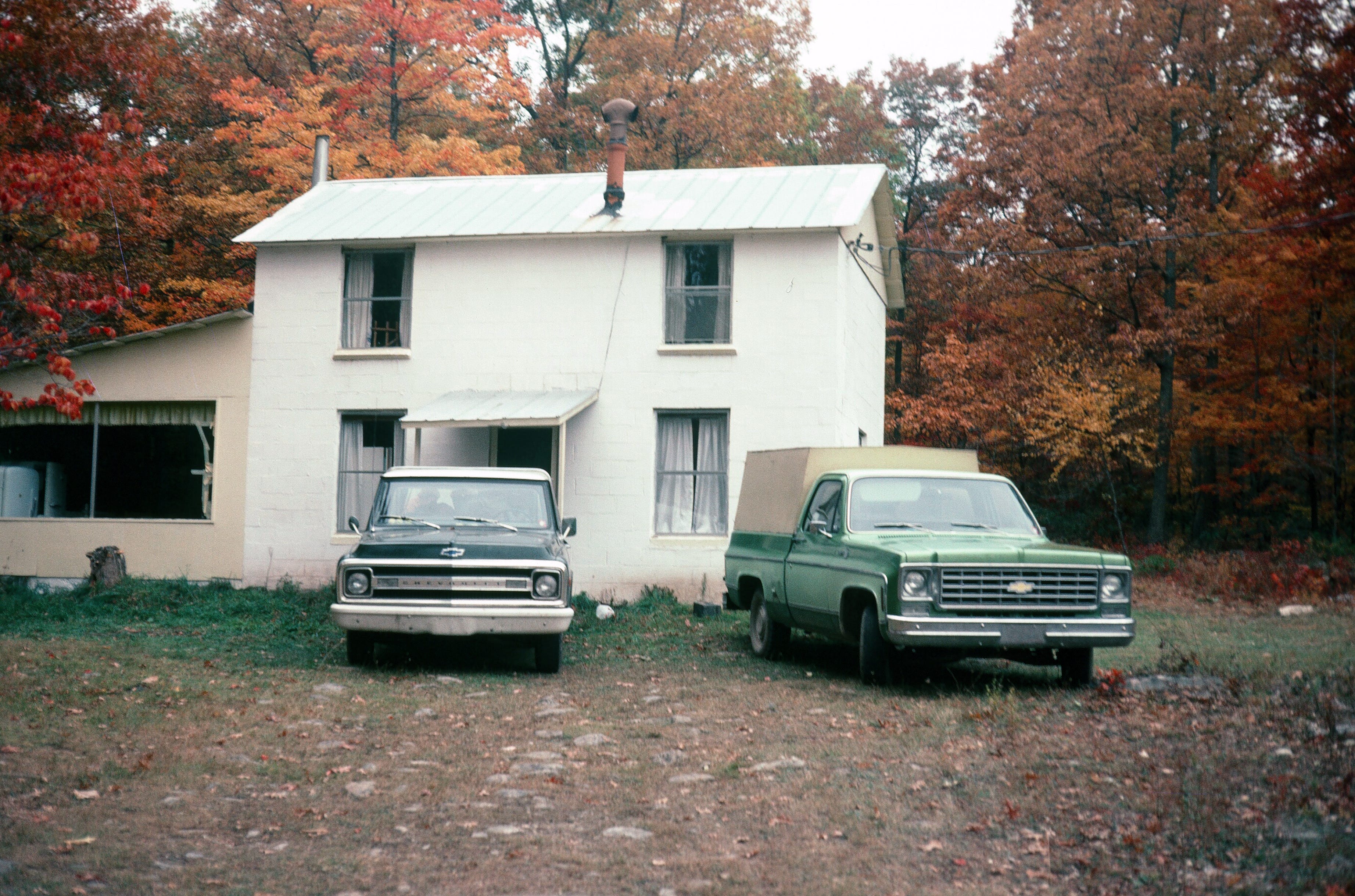
When we hear the word safari we think of Africa and of elephants and lions. Those who go hunting in Africa say they are going “on safari,” partly because that has traditionally been what hunting in Africa is called, but also because it sounds more adventurous and romantic. As a youngster I never thought of our hunting trips that involved a 200 mile trip across West Virginia, from the very southern edge out into the eastern panhandle, as a safari, but that is exactly what they were.
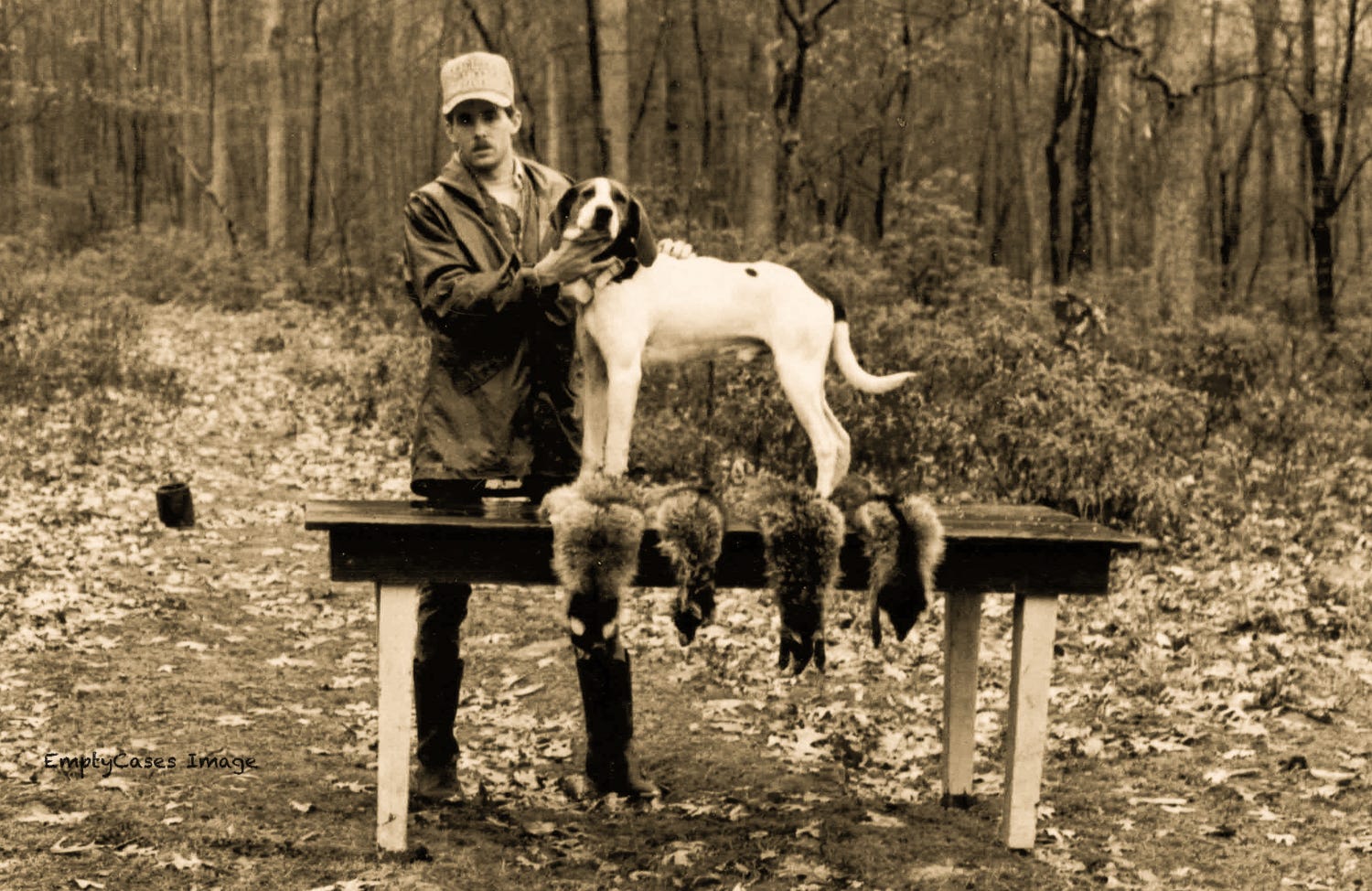
Those I remember most occurred in the early fall, when the leaves begin to turn from green to golden yellow and radiant orange and the world took on that unmistakable dry earthy smell of autumn. The trip varied from a single vehicle to a convoy, but most often my cousin and I were tasked with taking care of the coon hounds during the journey. This meant we rode in the back of a Chevy pickup truck with a home built plywood top and a canvas flap covering the back. Generally, there were between three and five dogs back there with us, and we were supposed to keep an eye on them. We felt that was an important job but it was really nothing more than the adults getting us out of the passenger compartment.
You can drive 200 miles in about in about three and a half to four hours if you drive 55, but maintaining 55 mph on the mountainous and curvy West Virginia roads of the 1970s was impossible. The excursion took six hours or more, and as you can imagine required multiple stops for the dogs and humans to pee and for us to eat and stretch our legs. For us boys in the back of the truck, we really appreciated those stops that gave us a break from the dust and dog puke that filled the small compartment where we often sat on five gallon buckets turned upside down.
The trip was scenic and passed through historic country, and the dog vomit came early because the first obstacle was the winding roads and ass-kissing turns of White Oak Mountain. At the bottom of the mountain was the New River, one of the oldest rivers in the world that was often called the “River of Death” by the native Shawnee. It’s the same river Mary Draper Ingles followed on her return home in 1755 after escaping her Indian captors. You can read the story in James Alexander Thom’s book, Follow the River.
After following the New for several miles, the trail turned up the Greenbrier River, which is known as the Seneca Trail and the Great Indian Warpath. We’d pass a gorgeous valley settled by my ancestor and Indian fighter Jacob Mann in 1770. From there the road headed to Lewisburg, where the West Virginia State Fair has been held since 1946. Next we’d pass through Pocahontas County and into the Monongahela National Forest which covers nearly one million acres—parts of which were used as maneuver areas during WW II.
Near a community called Neola there’s was a campground—it’s still there—where we often stopped for lunch. The dogs were tied to trees, coolers came out, and we ate bologna sandwiches and the most elegant travel snack of the time known as Little Debbie Oatmeal Cake. This was back when a Little Debbie Oatmeal Cake was delicious thing of beauty featuring sweet cream sandwiched between almost crispy but chewy molasses and oatmeal cookies. It was twice as big and tasted twice as good as the Little Debbie’s of today. Back then the drink of choice was Pepsi and Frosty, with an occasional Fresca thrown in, because that’s what grandpa and grandma preferred. We played in the creek for fun and to get the dog smell off us.
Not too far beyond Neola we’d drive by the National Radio Astronomy Observatory in Green Bank WV. This was a big thrill for us because we’d get to see the world’s largest—300-foot—radio telescope pointing toward the heavens. For the next hour we talked of nothing but aliens, UFOs and Star Trek. The town and observatory are in a National Radio Quiet Zone, which is now a cellphone dead zone.

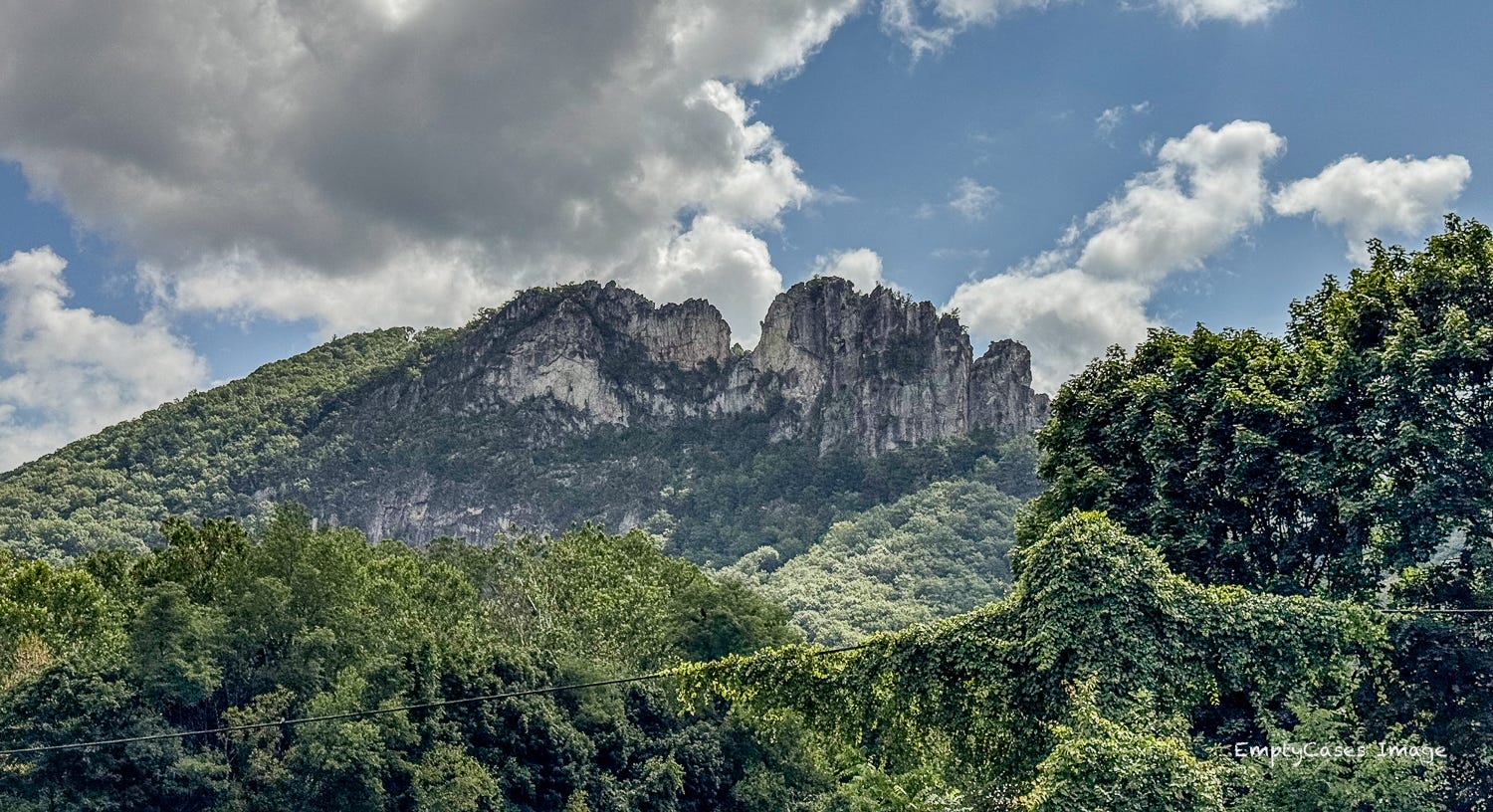
From there the road passed near Germany Valley, near where Hinkle’s Fort was built for protection from the Shawnee in 1761, and where the last Union raid of the Civil War occurred in Pendelton County on January 13, 1965. Just up the road was another frequent stop at the base of Seneca Rocks, which is a rock formation rising 900 feet above Seneca Creek that was a frequent Indian campsite. The 10th Mountain Division trained there during WW II. We’d stop at Yokum’s store, which has been in business since 1923, or at Harper’s store which has been there since 1902.
After traveling along the South Branch of the Potomac for several miles, our next stop would be an old country general store just before we turned off the two lane road for the last rough and rocky 30 miles of the drive. There, we’d pick up the essentials we’d realized we’d forgotten, pee again, and grandpa would drink a Pepsi while he talked with the old man who owned the place about the weather and the raccoon population.
Final arrival at the camp always came with work. We’d have to unload the trucks, check the dog houses for rattlesnakes, carry water, and bring in wood for the stove. If we were lucky, we’d get done before dark and head to the woods with a rifle or a bow. For the next 10 days we had the free roam of more than 10,000 acres of wilderness that lay east of the South Branch Mountain and the legendary and rugged Trough, which was a site of skirmish during the French and Indian War. On top of the mountain above our camp there’s an old Civil War Fort that changed hands more than 50 times during the conflict.
By definition, a safari is a journey or trip or an overland expedition for hunting and exploring, and that is exactly what we had. There were no cell phones or GPS, and over the 200 mile journey not a single McDonald’s or fast food restaurant. Dad and grandpa had the route memorized and sometimes for excitement they’d deviate it slightly. Up until my middle teens, it was an adventure unmatched by anything I’d ever experienced. And even today after hunting—and safaris—all over the world, those memories are the ones I cherish most. I did more growing up on those trips and at that camp than at any other time or place in my life.
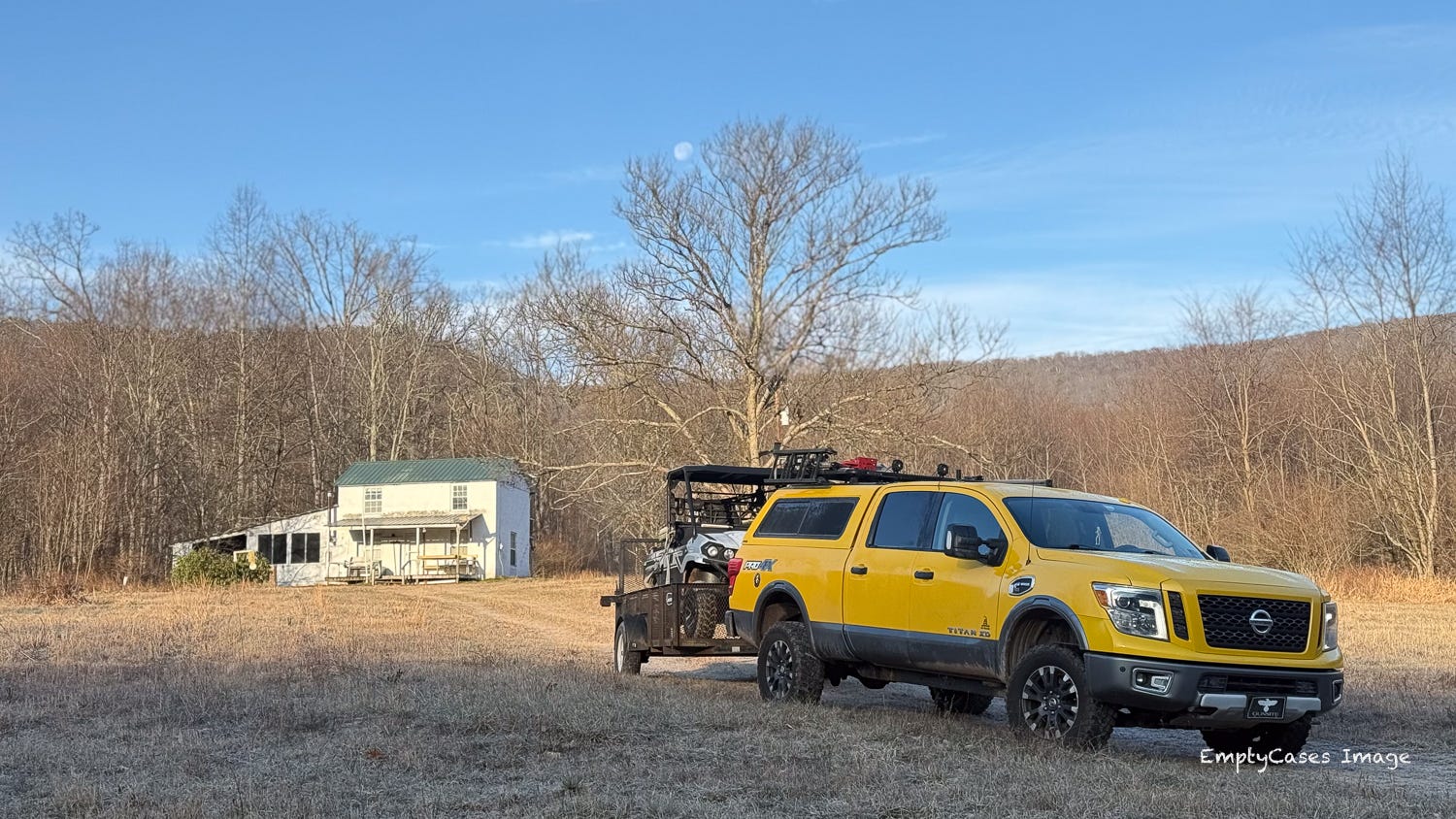
A few weeks ago, my cousin and my lifetime best friend and I made that same journey, and we stopped like I had many moons ago at Yokum’s store for lunch and what they claim is the second best hot dog in West Virginia. It’s smothered in chili, mustard and slaw. Once at camp, we didn’t have to check the dog houses for snakes, because our hound running days are long behind us. We didn’t have to carry water, because we now have a well and a pump. And firewood is also not needed, because of electric heat. Our cellphones even work because of Starlink—but we used them very little.
We spent about an hour sweeping and cleaning, and just like we were teenagers again, as soon as the work was done we hit the woods. We walked back on the mountain, remembering and telling stories of our youth as we passed various spots that jolted recollections, and we sat for a while on a marble bench situated on the knob of a low ridge where the ashes of my mother and father are scattered. Back at the camp, Johnny broke out one of his handcrafted muzzleloading rifles and attempted some long range shooting, and we stayed up way to late reminding each other of all the good and bad things we’d done there.
There were no elephants or lions, and there never have been, but I don’t think Courtney, Hemingway, Ruark, or Selby grew up any better than we did there, or that they were ever anymore content than we were that evening. It could have only been better if grandpa had been with us, if some hounds had been baying out in the yard, and if we could have had a Pepsi and an old time oatmeal cake to go with it.
It’s only been three weeks but I’m ready to go back and do it all again, even if I’d have to make the ride in the back of a pickup truck sitting on a five gallon bucket, in a truck bed full of hounds, dust and dog puke. Grandpa said that built character, and we wondered what exactly that meant and what kind of “character” he as talking about. Now we know.
The moral, lesson or message from this story is that you should not let others diminish your adventures with their tales of expeditions in faraway places. Sometimes the real and truly meaningful ventures can be found in your own backyard. It’s not about the money spent or exotic locations. It’s about the tire tracks, footprints, and memories made.

I don't think that when we are young we fully appreciate some of things we do. You're welcome.
You are welcome, glad you enjoyed it, and yes, definitely an African word, but it has world wide application.