

RockyTalkies
Communication Comfort via GMRS

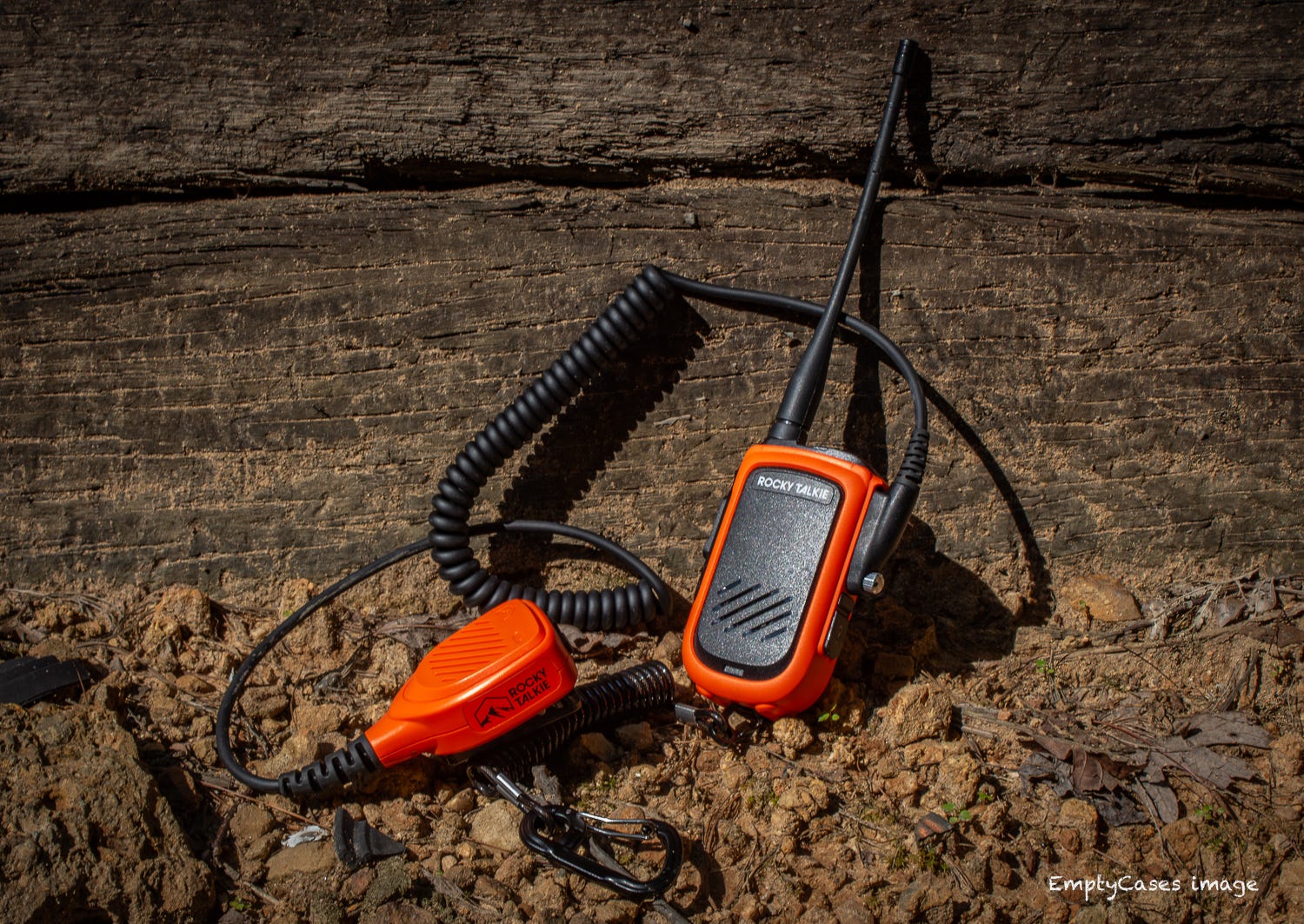
For about three months I’ve been testing the new Expedition GMRS radio from RockyTalkie. There’s limited cellular service at my camp and in the surrounding country we hunt. Cell service there pretty much comes and goes with the wind. Because of that we have used radios there for a long time and they also come in handy when setting and checking targets on our distance range which does not have reliable cell service either. I’ve also used radios a lot on road trips and on hunts in other areas with no cellular coverage, like down along the border in west Texas. For this kind of work GMRS (General Mobil Radio Service) radios are the way to go, they have designated frequencies and are repeater compatible.
A lot of outdoorsmen are unfamiliar with GMRS, which is a land-mobile FM UHF radio service designed for short-range two-way voice communication. It’s authorized under part 95 of the US FCC code. It requires a license which costs a whopping $35 and is issued for a period of 10 years, and I’ve found them to perform much better than common license free 2 watt radios.
Up until I received the RockyTalkie, Midland GMRS radios have been the only GMRS radios I’ve used. The 15- and 50- watt mobile units work great, but I’ve been a bit underwhelmed by their hand held GMRS radios. They operate at five watts—the maximum allowable for a handheld GMRS radio—but they require a dedicated charging stand, which I’ve found inconvenient. If you are out with the radio and the battery dies you have no way to charge it.
The RockyTalkie Expedition radio is also a 5 watt radio but is full waterproof protected to a depth of 1 meter and the battery will last about four days without a charge. But you can charge the battery with the supplied USB-C charging cable that could plug into a power bank you can keep in your backpack. The radio has a belt clip and comes with a 7.5cm and a 17cm antenna, it offers dual channel monitoring, access to NOAA weather alerts, and it has 8 GMRS repeater channels for extended range. In the box you’ll also find a lanyard with a carabiner you can attach to your pack or belt loop in case the radio slips off your belt, or you drop it.
I picked up two of these radios and got the available waterproof hand mics that can be attached to them. This adds some versatility with full controls, does a great job at limiting wind noise and I found it to be glove friendly. The hand mic also has a gator clip on the back for convenient attachment to a backpack strap, vest, or just straight to your jacket or shirt.
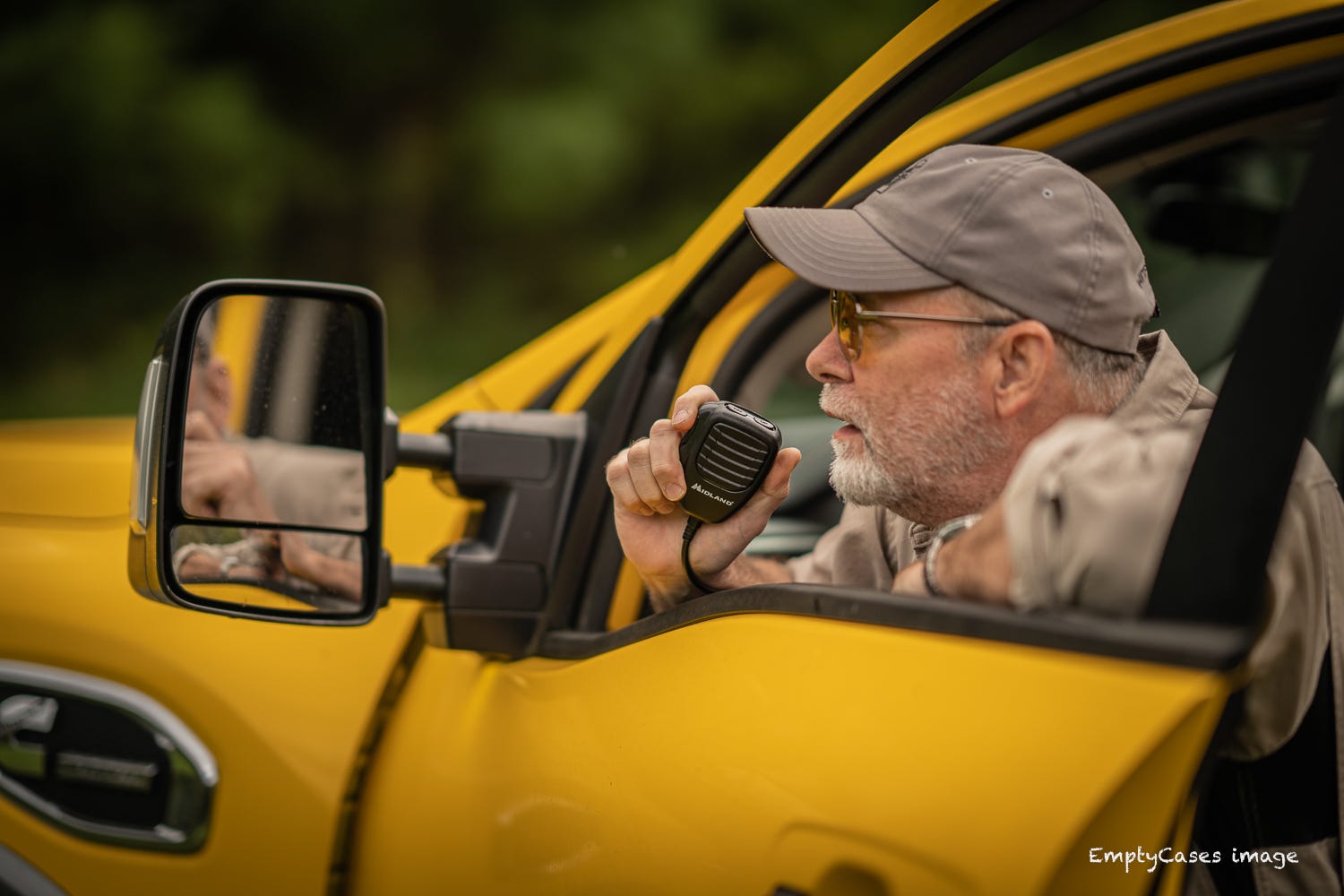
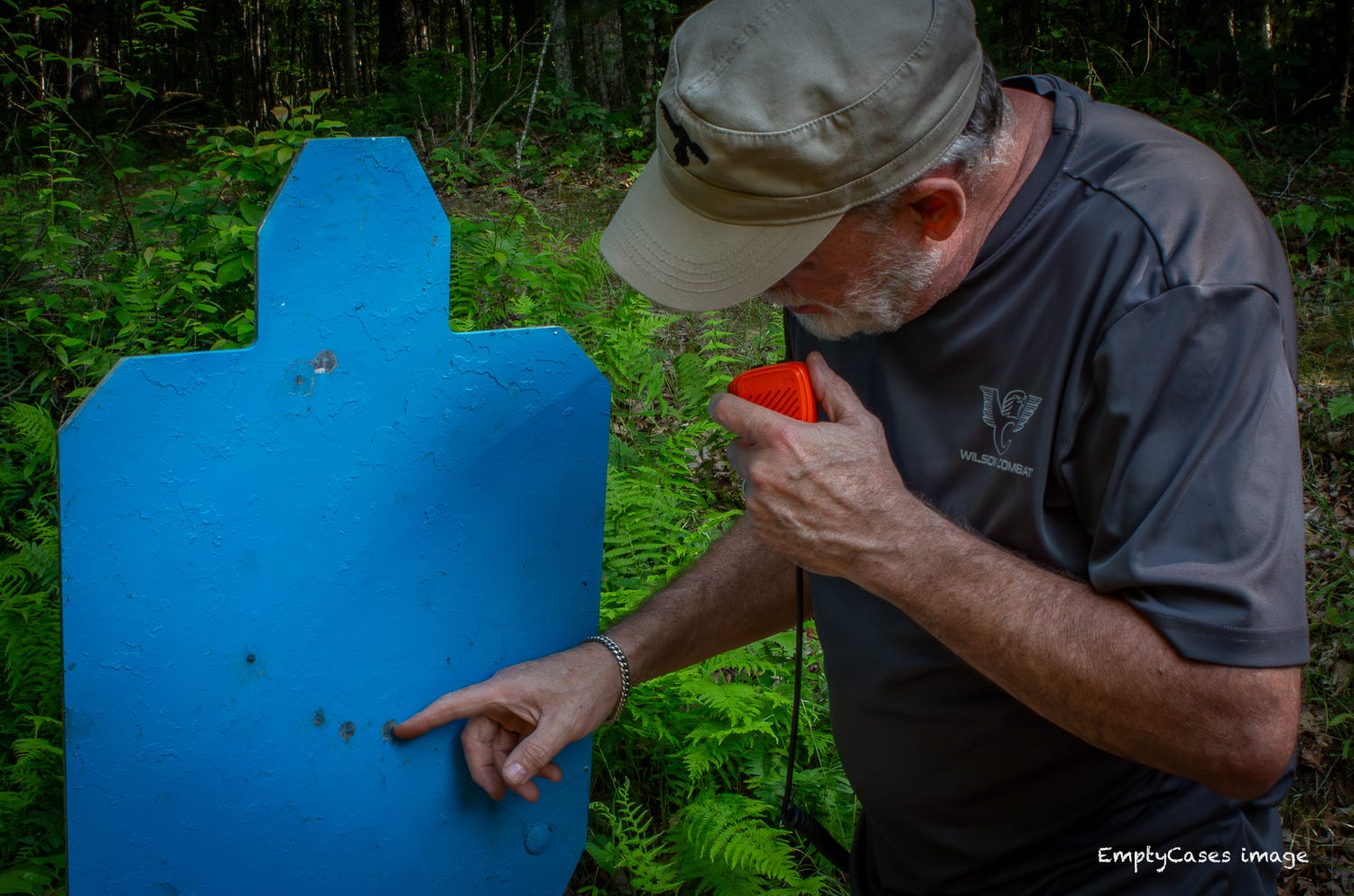
The most common question when it comes to radios like these is range. The reach of GMRS radios is somewhat terrain dependent. I’ve used the RockyTalkies to communicate at distances of more than five miles without repeater assistance, but I’ve also been in a deep hollow or draws that limited the reach to as much as 20% of that. Where our camp is in the rolling hills and valleys of the Potomac Highlands, I’ve always been able to talk back to camp from more than a mile distant, which is about as far as I wander on foot. Where these radios have really come in handy is when working on our distance range setting targets and reporting results to shooters.
The RockyTalkie Expedition radio retails for $180 and comes in green or orange. I like the orange because when I’m in the field I tend to lay shit down and lose it. The hand mike is available in matching colors, and it retails for $65. Since it is a GMRS radio it will work with GMRS radios of other brands like my mobile units from Midland.
Serious outdoorsmen and even low level survivalist should consider GMRS radios. They can enhance your time in the field when hunting, hiking or camping, when shooting at long range, and during weather events where cellular service can be lost or bogged down GMRS radios provide some communication comfort. They make a great gift too. It’s a bit late for Father’s Day but hunting season is close at a hand and Christmas will be here before you know it.