

Scout Scopes
Application & Understanding

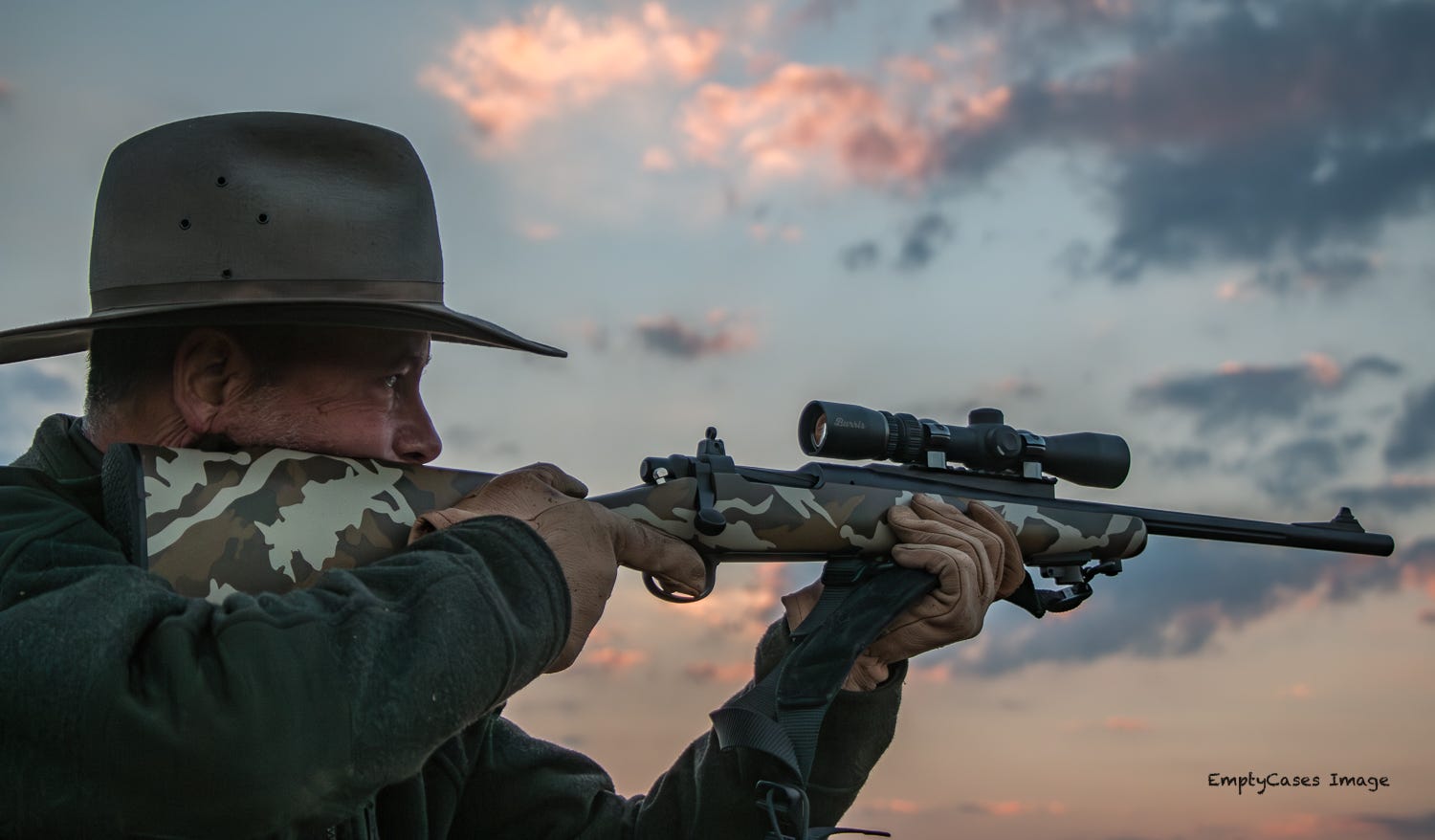
The scout scope is quite possibly the most misunderstood rifle accessory in existence. Jeff Cooper popularized it in the mid-1980s when he began promoting his Scout Rifle concept, and I’m convinced most rifle shooters misunderstood it then just as they do now. Ironically, the scout scope is a very simple sighting system, and it is perfectly explained by its name. Let me see if I can clear up some of the misconceptions and misunderstandings.
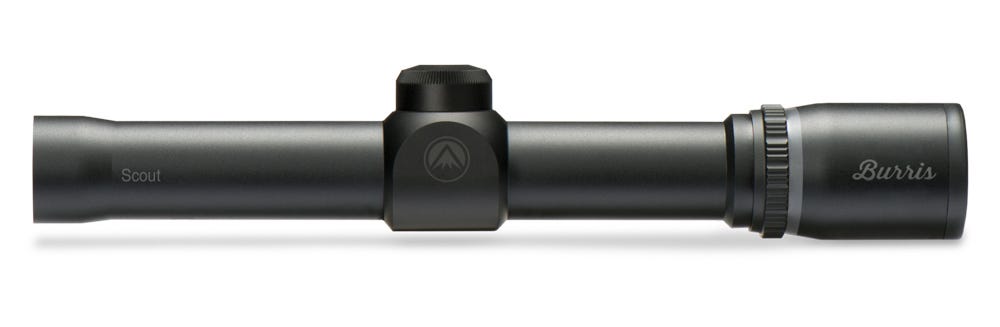
What is a Scout Scope?
A scout scope is an optical sight with an external configuration emulating a conventional riflescope. But a scout scope will have an eye relief of between around 9 and 14 inches, with something between 10 and 12 inches generally optimal. This allows the scout scope to be mounted with the rear of the ocular housing at/or forward of the front of the ejection port. A scout scope is not an intermediate eye-relief scope with less than 8 inches of eye relief, and it is not a long eye relief or handgun scope with more than more than 14 inches of eye relief. Additionally, a scout scope is also compact and lightweight, just as the rifle it is designed for.
Scout Scope Quality
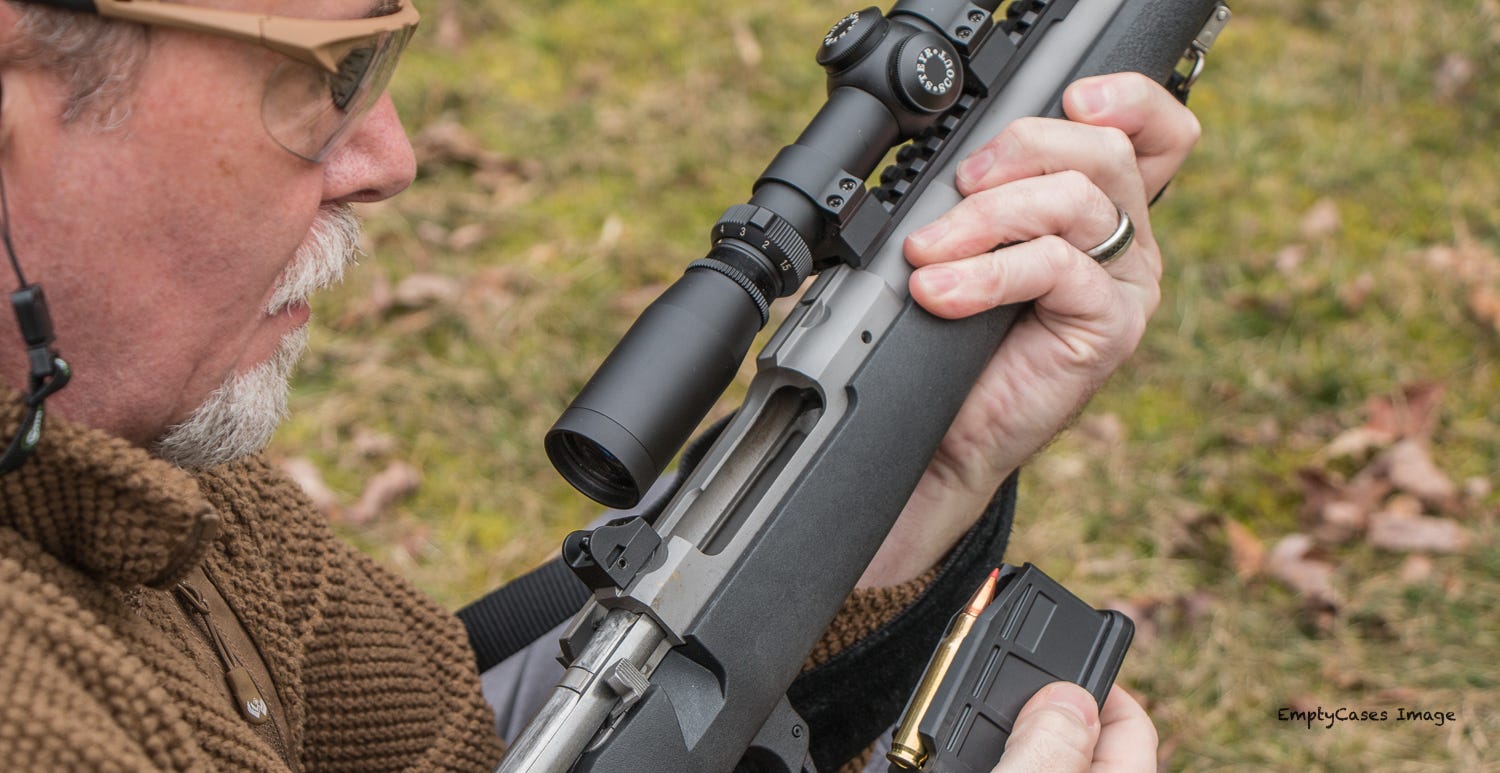
From an optical performance standpoint, current scout scopes will not provide the same brilliance, resolution, or low light performance of a traditional riflescope. This is not so much a product of the design of the scout scope, but more so a reflection of consumer demand. Most scout scopes retail for around $500 or less, which means they do not contain the same quality glass you’ll find in more expensive traditionally styled riflescopes. I’ve had lengthy discussions with optics manufacturers and they believe—and are probably right—that a viable market for high end scout scopes just does not exist. I’ve worked extensively with every modern scout scope I can find, and I am of the opinion that when all things are considered, the two scout scopes from Burris represent the pinnacle of current scout scope performance and durability.
What’s Wrong/Right with Scout Scopes?
Many modern shooters or so-called riflemen are quick to dismiss the scout scope because of relative quality and that cannot not be argued. They simply cannot compare to a Swarovski or other high end optic. But they also speak negatively of the scout scope because of its narrow field of view, which exists because of its longer than traditional eye relief. However, what many of these Fudd-bashing shooters fail to realize is that the scout scope was never intended to compete with a traditional riflescope—its purpose is to compliment and complete the Scout Rifle platform as codified by Jeff Cooper. You should take this to mean two things:
1. The scout scope is the optimal sighting system for a Scout Rifle intended to provide the service suggested by Jeff Cooper.
2. A scout scope is not the best optical sight system for a rifle that substantially falls outside of the Scout Rifle definition.
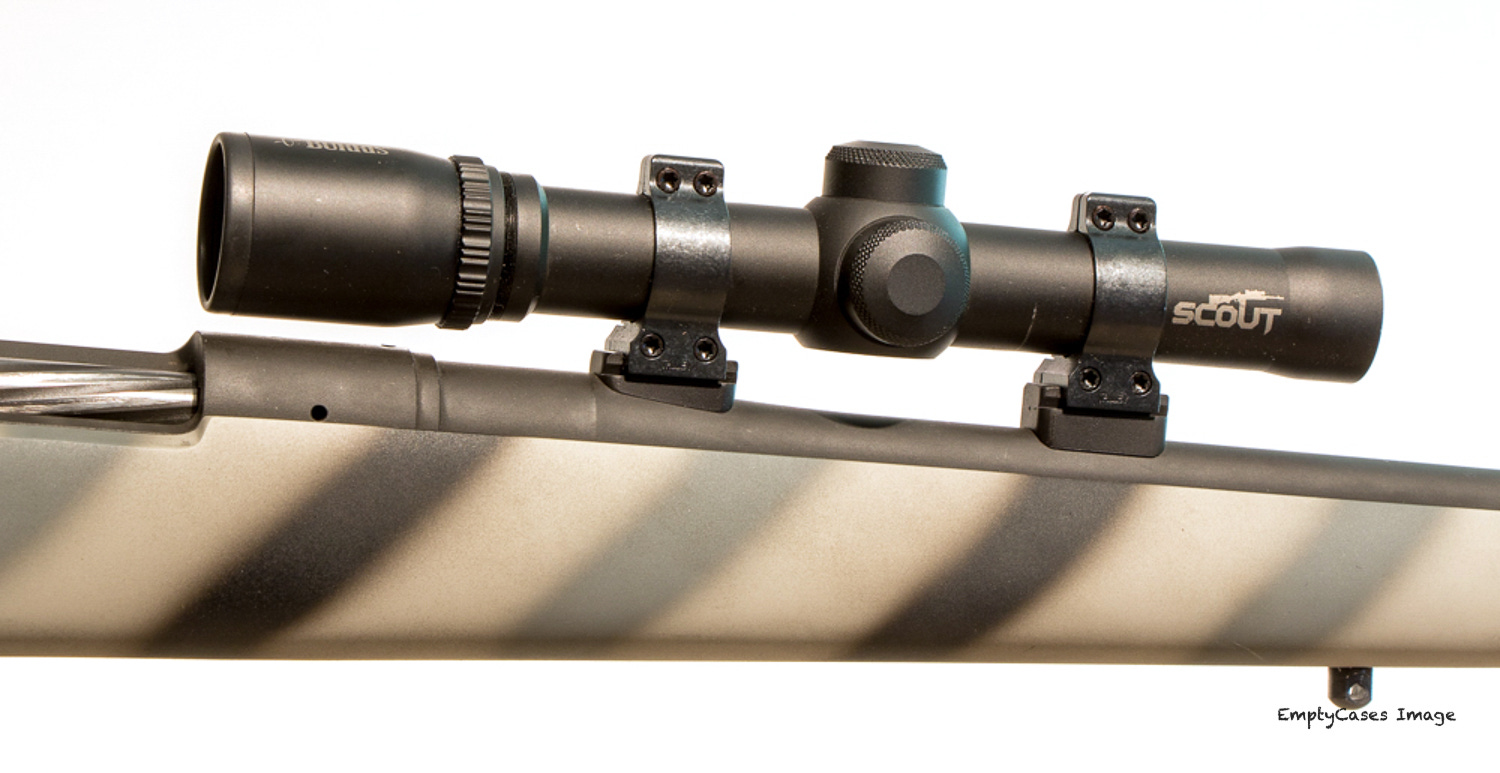
I once had a discussion with Bill Wilson about Scout Rifles and Scout Scopes and I told Bill I felt a modern LPVO (low-power-variable-optic) was far superior to a scout scope in terms of optical performance, which is a fact I feel is undeniable. However, Bill misunderstood me and sometime later in a video with Ken Hackathorn he unintentionally misrepresented my remarks. Even though a modern LPVO is an optically superior instrument, I believe and would heartily argue that a scout scope is what belongs on a scout rifle, particularly if you want to use a Scout Rifle for its intended purpose. My reasons for this are pointed below:
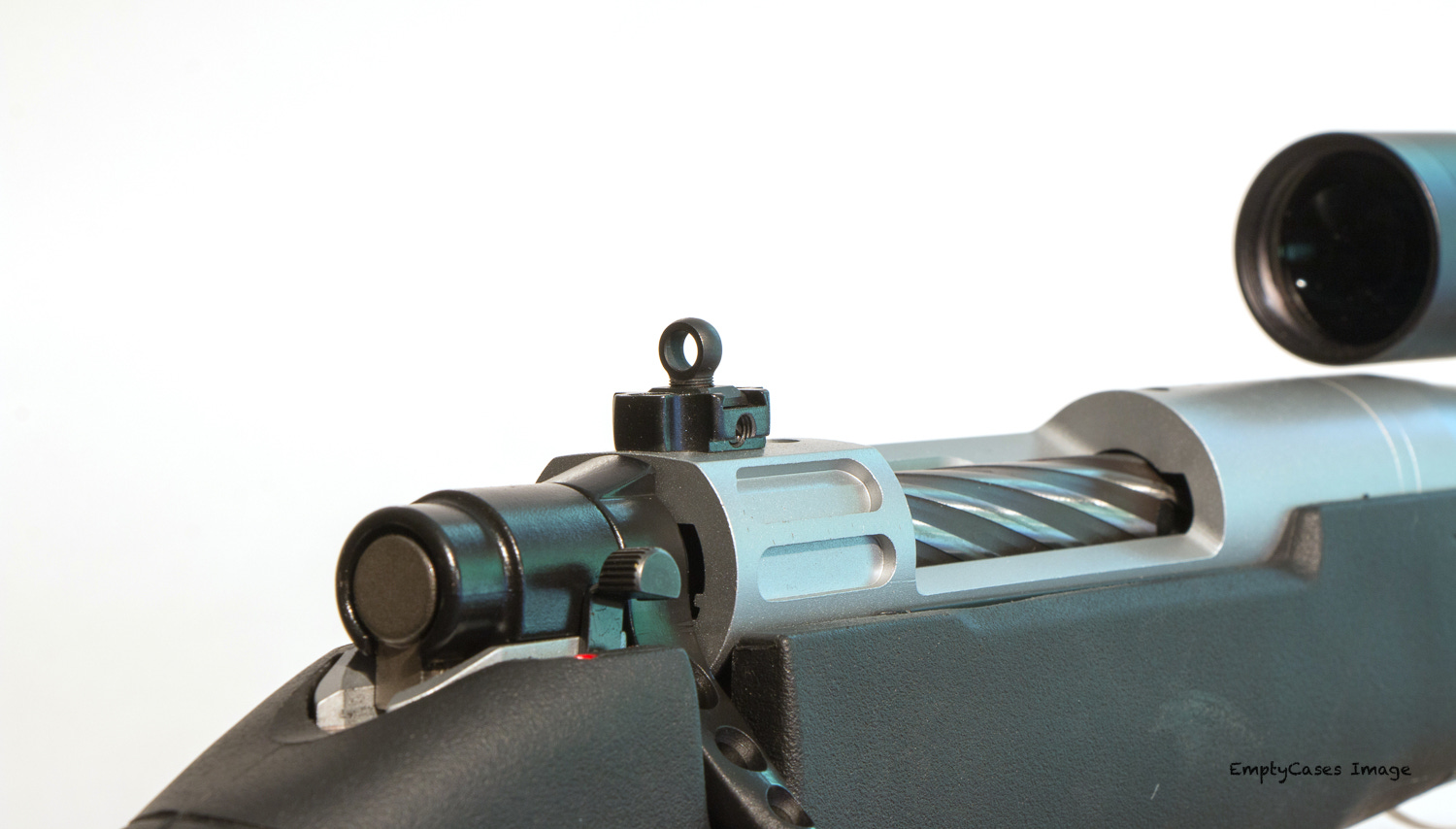
A scout scope with quick release rings allows for a rifle to have—and for the shooter to easily access—a backup aperture rear sight, which is superior to a barrel mounted rear sight in terms of precision, shot placement, and speed. With a rear aperature sight a traditional riflescope must be mounted very high.
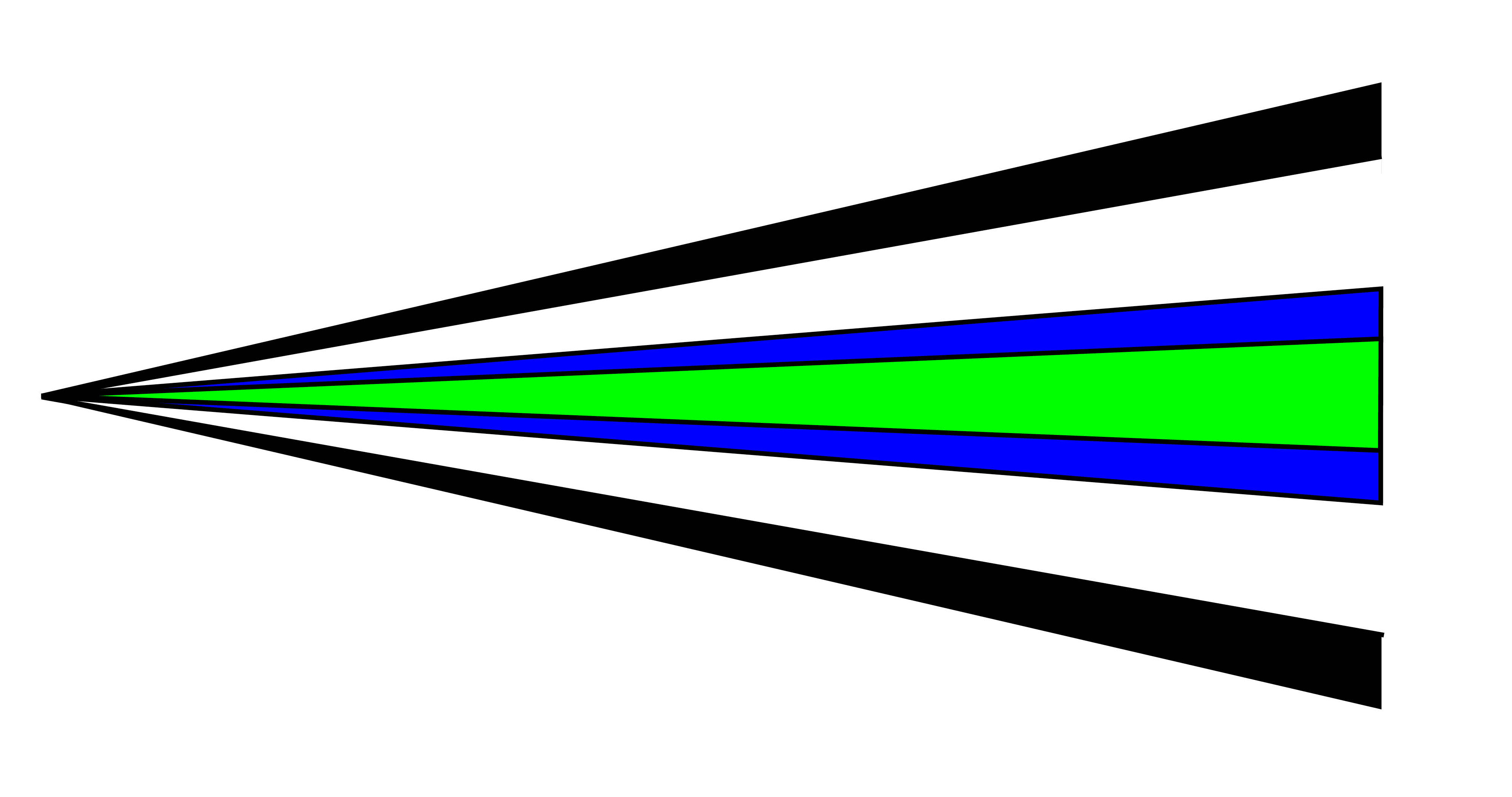
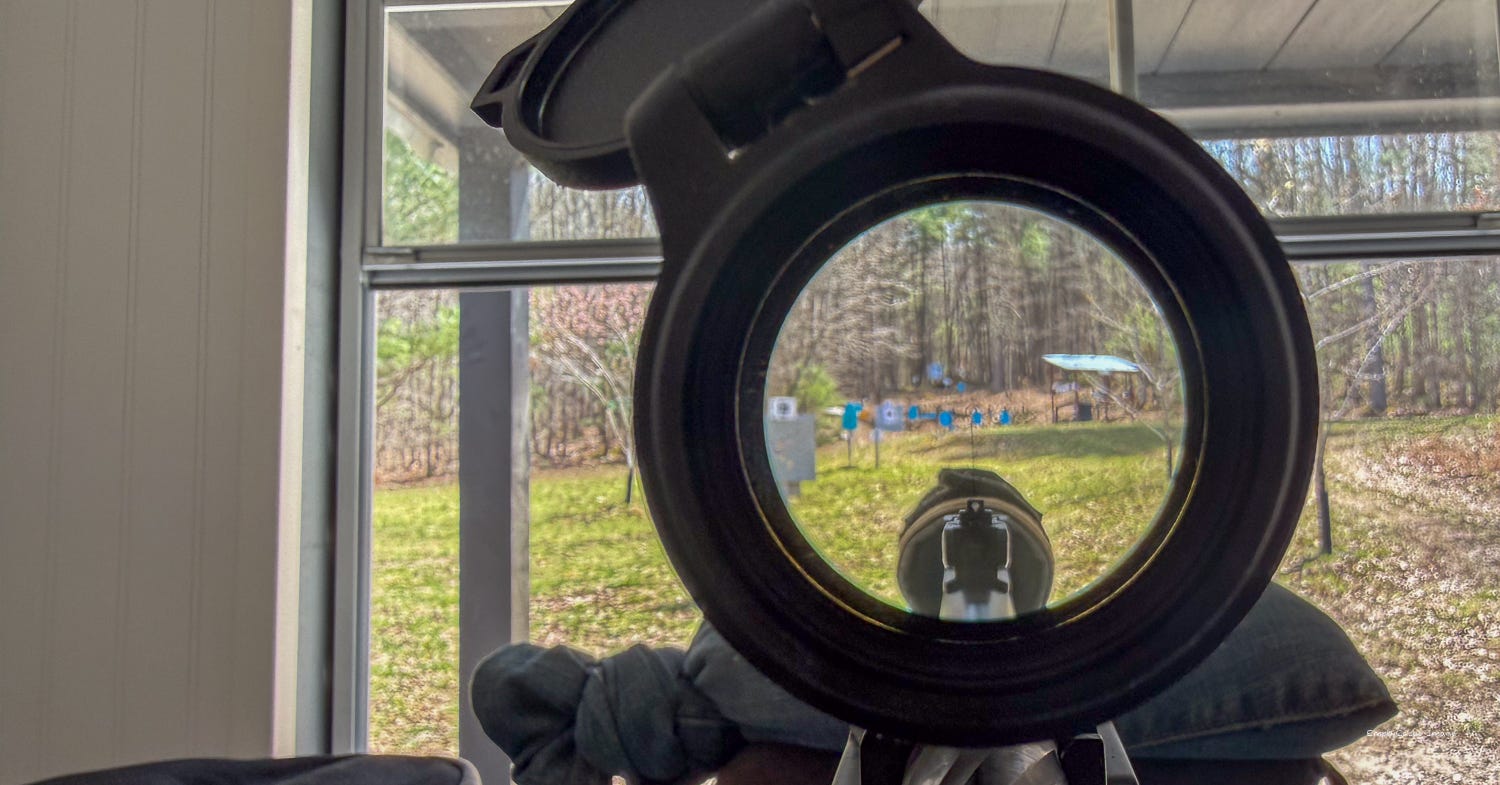
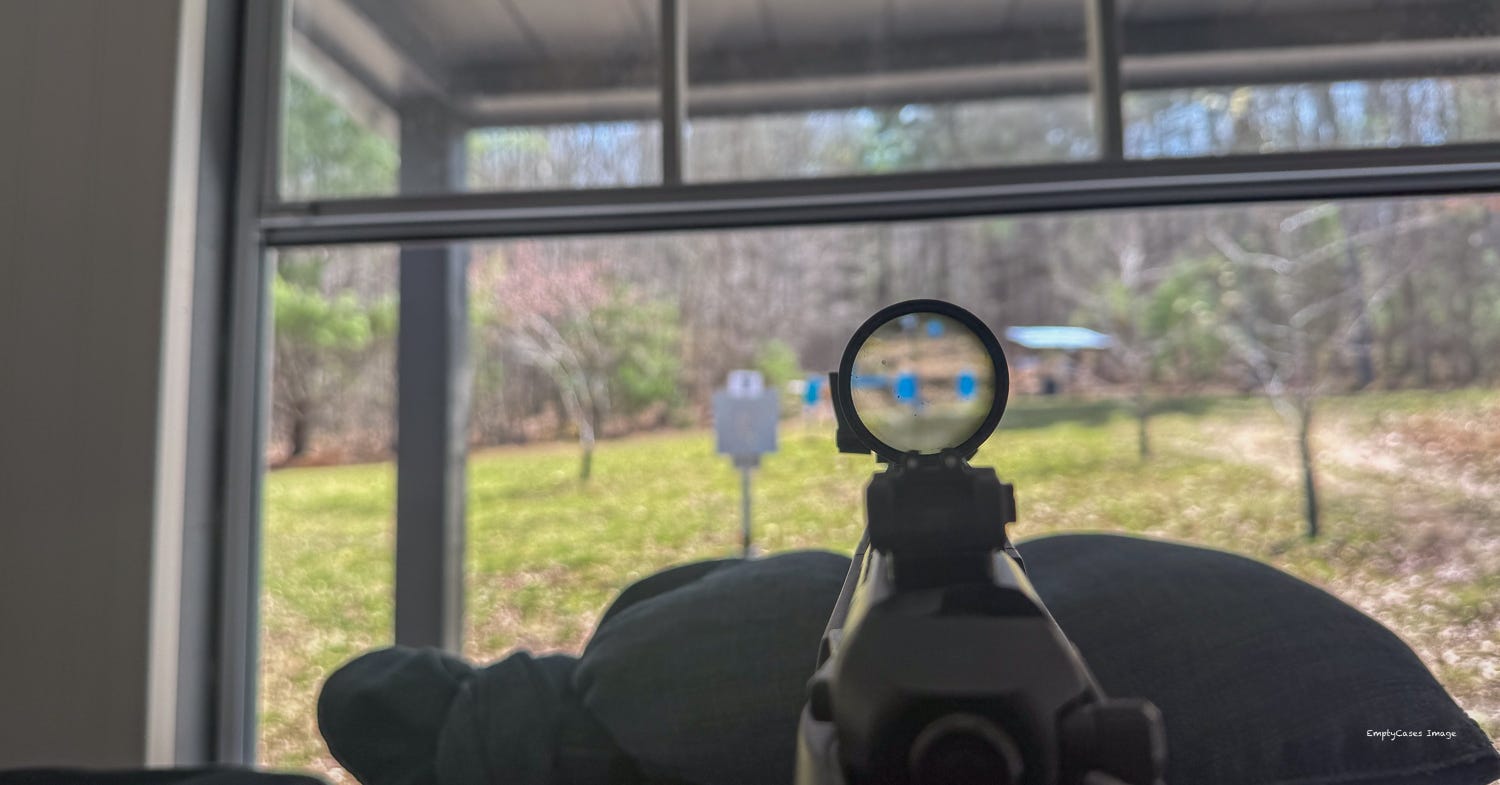
A scout scope provides much more field of fire awareness and peripheral view when both eyes are left open as they should be when shooting a scout scope. In most cases it has an advantage of about 60%.
By virtue of it being mounted completely forward of the rifle’s ejection port, the scout scope facilitates faster and easier single loading and stoppage clearance.
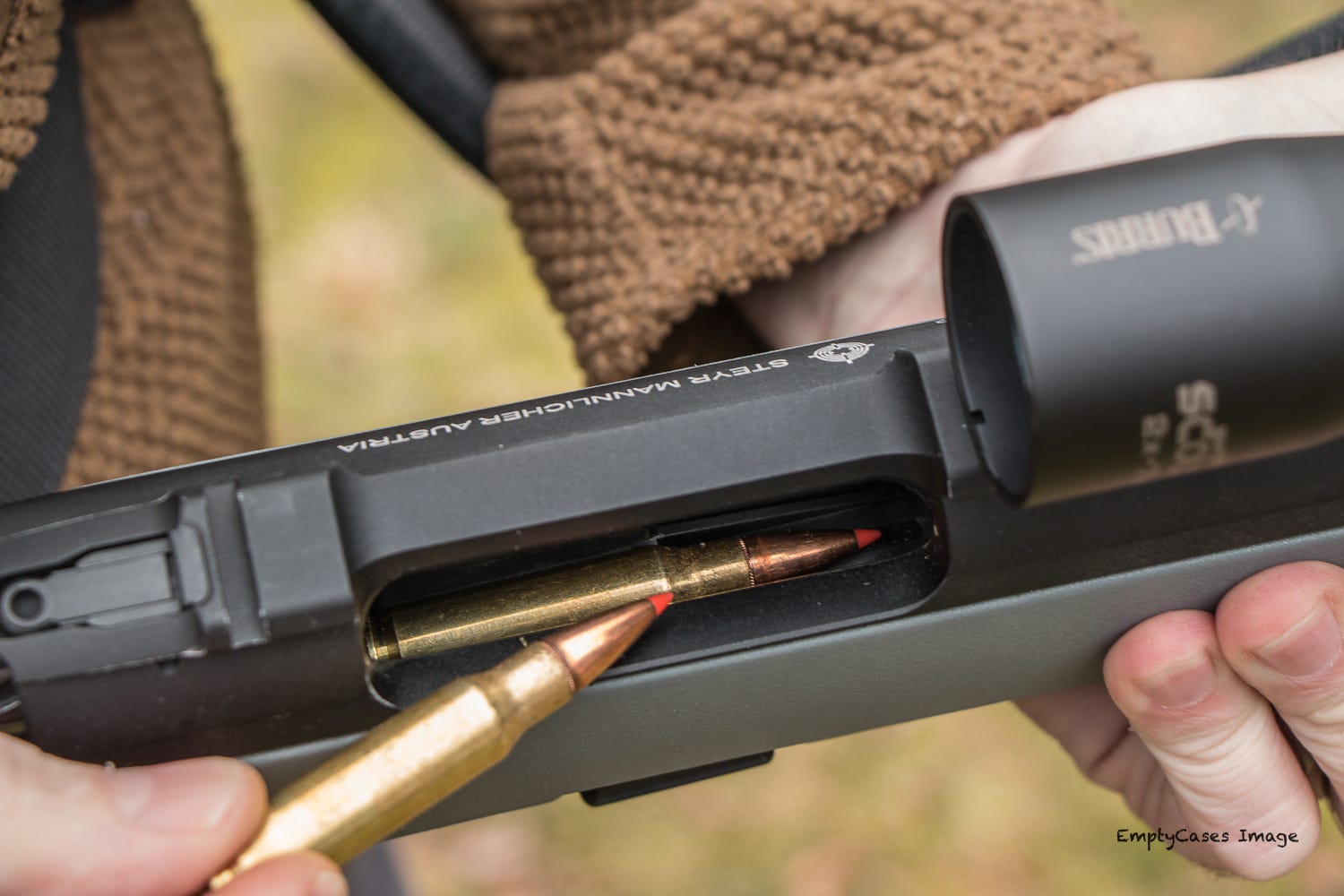
Because the scout scope is mounted completely out of the way of the bolt’s area of operation it cannot possibly interfere with the hand operating the bolt during cycling.
A scout scope appropriately mounted allows the user to comfortably carry a rifle in one hand at the rifle’s balance point.

Generally speaking, and based on my testing with trained shooters, a scout scope equipped Scout Rifle can be faster for snap shooting by as much 20%.
Some modern shooters are quick to argue that the modern extremely compact and lightweight reflex style sights are superior to a scout scope. In some instances they can be, especially at extreme close range and on a pristine range with easy to see targets. However—by definition—the Scout Rifle is intended for much more than that. It is configured to provide accurate shooting on game and threat targets—in the field—out to and slightly beyond 300 yards. Regardless of how Fuddy modern shooters might think someone with a scout scope equipped Scout Rifle might be, a reflex sight is entirely inadequate for engaging game in mixed cover or dark timber much beyond 100 yards or so.
The Bottom Line on Scout Scopes
For most, the scout scope is not the best optic choice for a deer or elk rifle, a battle rifle, or a self-defense carbine. However it is the perfect choice the Scout or Scout-like Rifle for which it was designed. This is because a Scout or Scout-like rifle is a general purpose rifle that can best serve the needs of someone wanting one rifle they can use for deer, elk, fighting, and self-defense, out to or around 300 yards and a little beyond. The ONLY thing a scout scope was ever intended to be viable for was a Scout Rifle, and in that capacity, I believe it reigns supreme.

You may believe a Scout Rifle has no place in this modern world and for you that might very well be true. However, for the man who wants a one-rifle answer for most anything he might need to do with a rifle, the Scout Rifle is just as viable today as it was at its conception. But most importantly regarding scout scopes, they are an integral part of the Scout Rifle—that’s what they are for and where they belong—which is hardly complete without one. Of course, even more so now than when Cooper conceived the Scout Rifle, specialized rifles are the norm, but the specialized rifle is the ultimate antithesis of everything the Scout Rifle stands for.
If you would like to learn more about the Jeff Cooper, the Scout Rifle, scout scopes, and the genesis of the Scout Rifle concept, I suggest you pick up a copy of my book, The Scout Rifle Study.

Well said.
I have tried to explain various elements of the Scout Rifle concept to some folks, but it is like pulling teeth from an angry tiger at best. Far too many of these so-called “influencers” and other online media personalities haven’t helped. I usually find that the only way is through actual demonstration of shooting skill.
As to Scout optics, on a number of rifles we use the Burris 2–7X that nicely fits in front of the ejection port on bolt rifles, and the same optic on some RuMar lever actions. For a pair of Ruger GSR’s, the now discontinued Leupold 1.5-5X Firedot IER has served very well. Yes, those partially obscure the ejection port, but considering the issues we have had with the GSR platform and port loading, it really doesn’t matter for us, and we get the benefit of the field of view with that particular optic. Yes it weighs more, but it has proven very useful.
I think one of the biggest problems with scout scope-and scout rifle-understanding is that it comes from more than a passing observation or from shooting a few rounds.