


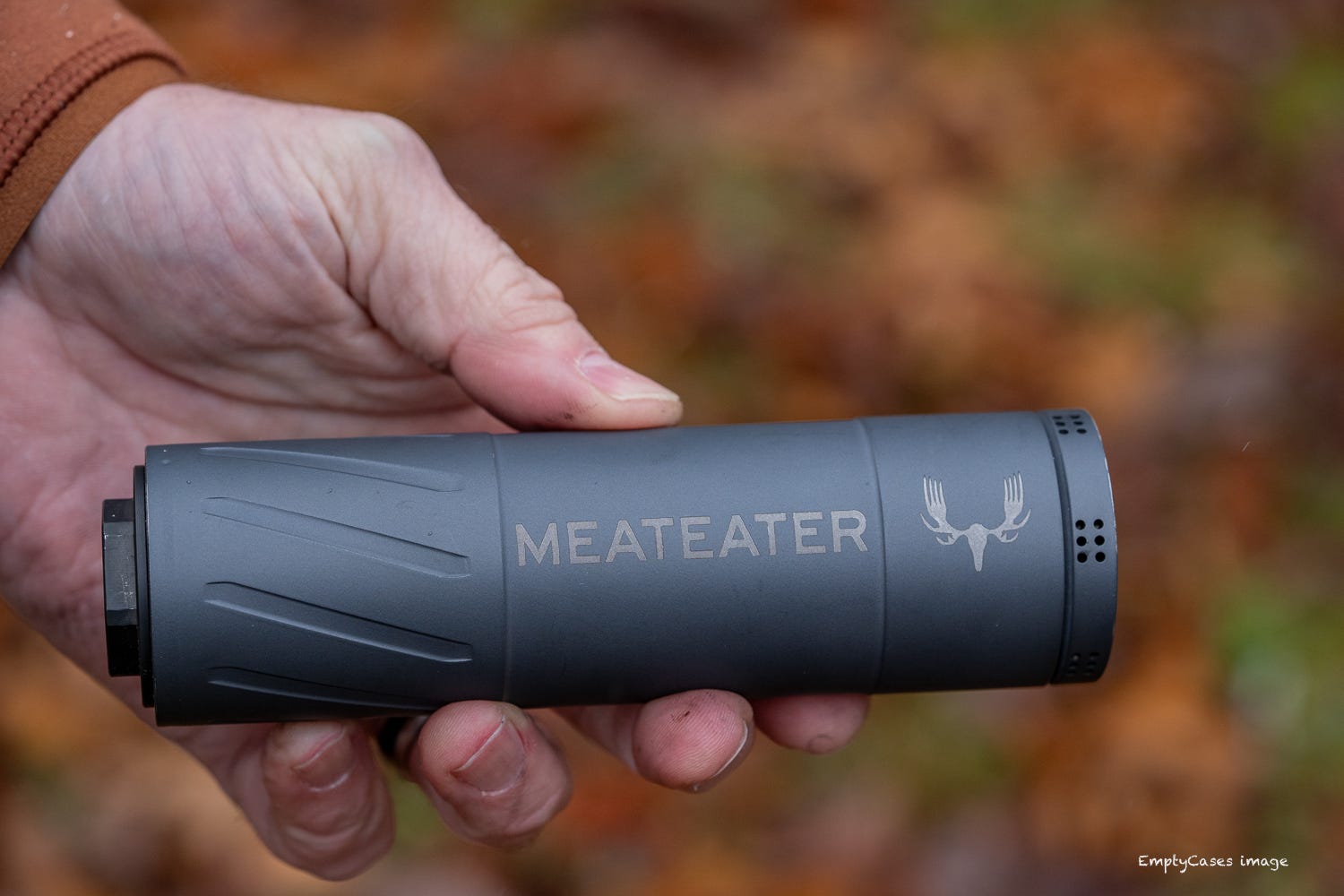
For that last several days the only thing you’ve probably seen on your social media feed has probably been stuff about suppressors. The recent ruling that found registration unconstitutional without a tax has everyone as giddy as a teenage girl at an Elvis concert in the late 50s. The common assumption is that since the department of justice did not act in a timely manner, some folks who are part of certain groups can now purchase a suppressor and the only requirement is the completion of a 4473 just as like when they buy a firearm. On the surface this seems like great news, and it could be. However, I think it’s way too soon to celebrate and get out the credit card.
But before I get into the discussion of something my criminal justice degree has not prepared me to navigate, let me give you three practical suppressor related tips that you can put to good use right now without any worry of government overreach.
Heat Waves
A lot of us shoot rifles from the bench a lot to sight in our rifles, test factory ammo, and to work up handloads. In most cases all this requires enough shooting that substantial heat waves from the suppressor an make accurate aiming difficult. Before I relocated my range, I had unlimited electricity in my garage that I shot from, and I frequently used an air compressor to cool my rifle barrels and suppressors. This sped up my range time which was rather long because when I test a new rifle, I always fire about 75 rounds from the bench. Add in 10 minutes of cooling time between every five shots and the time adds up.

At my new range I have power, but it comes from a battery and there is not enough power to operate a compressor through an extensive shooting session. Somewhat by accident I found another solution to get rid of those heat waves. In my new shooting shack, I have a little battery powered fan from CLAYMOR3 because it can get stifling in there when the temperature passes 80° with high humidity. One day when experiencing substantial heat wave distortion, I pointed that fan at the barrel of my rifle, and they vanished.
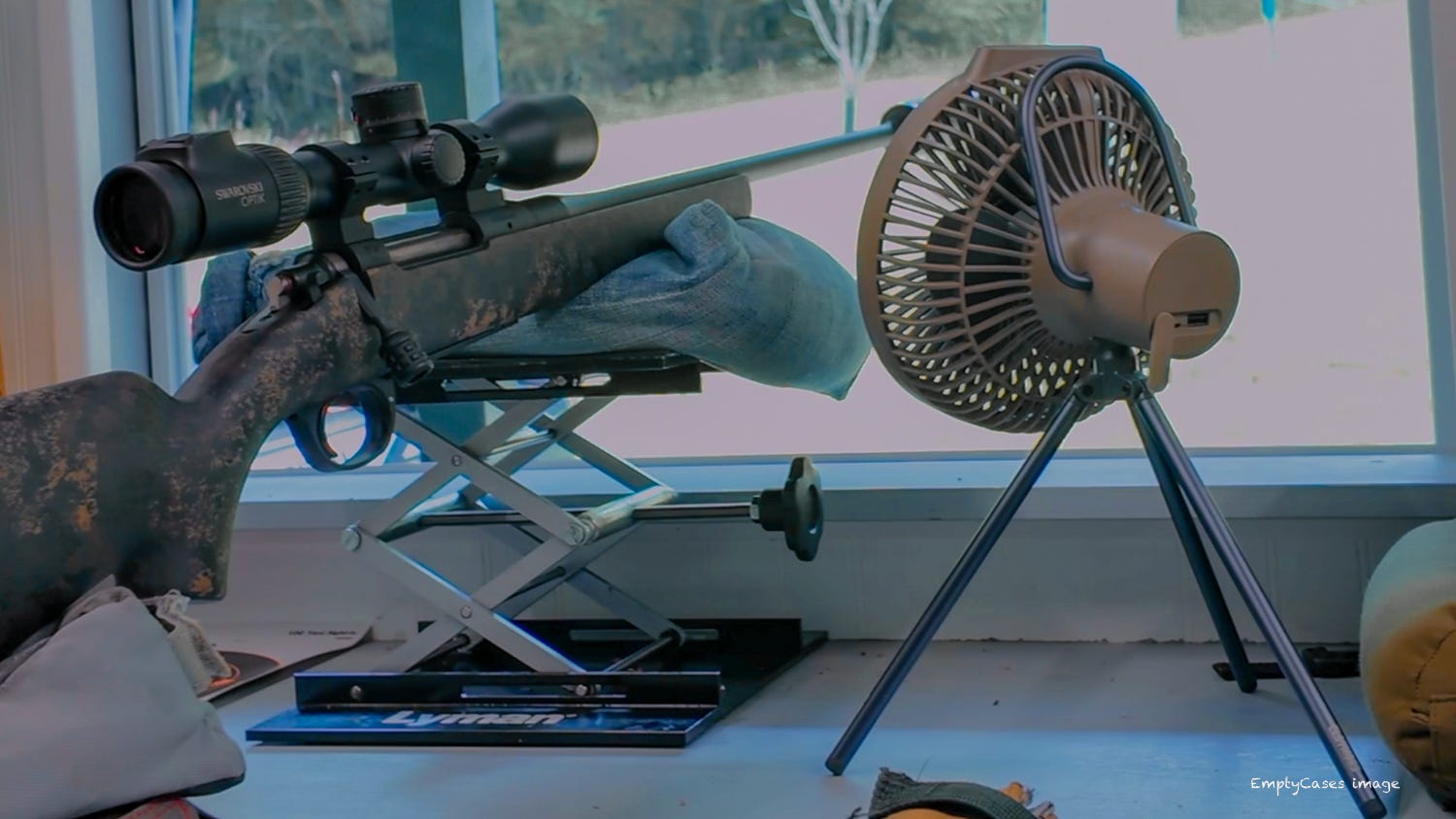
Pick up a little battery powered fan to take to the range with you, and position it on the bench beside your rifle. Turn it on when you start shooting and you’ll be able to see the target and your reticle much clearer. And if you get hot, well, I should not need to explain that one.
Suppressor Transport
When you’re done shooting at the range and are packing up to head home, your suppressor can be very hot—maybe too hot for you to put it in your rifle case or maybe it won’t fit in your rifle case attached to your rifle. If you doubt how hot a suppressor can get, I was with a guy who placed his hot suppressor equipped rifle on one of those plastic folding tables. The suppressor melted the table and, in the process, picked up a nice plastic coating on one side.

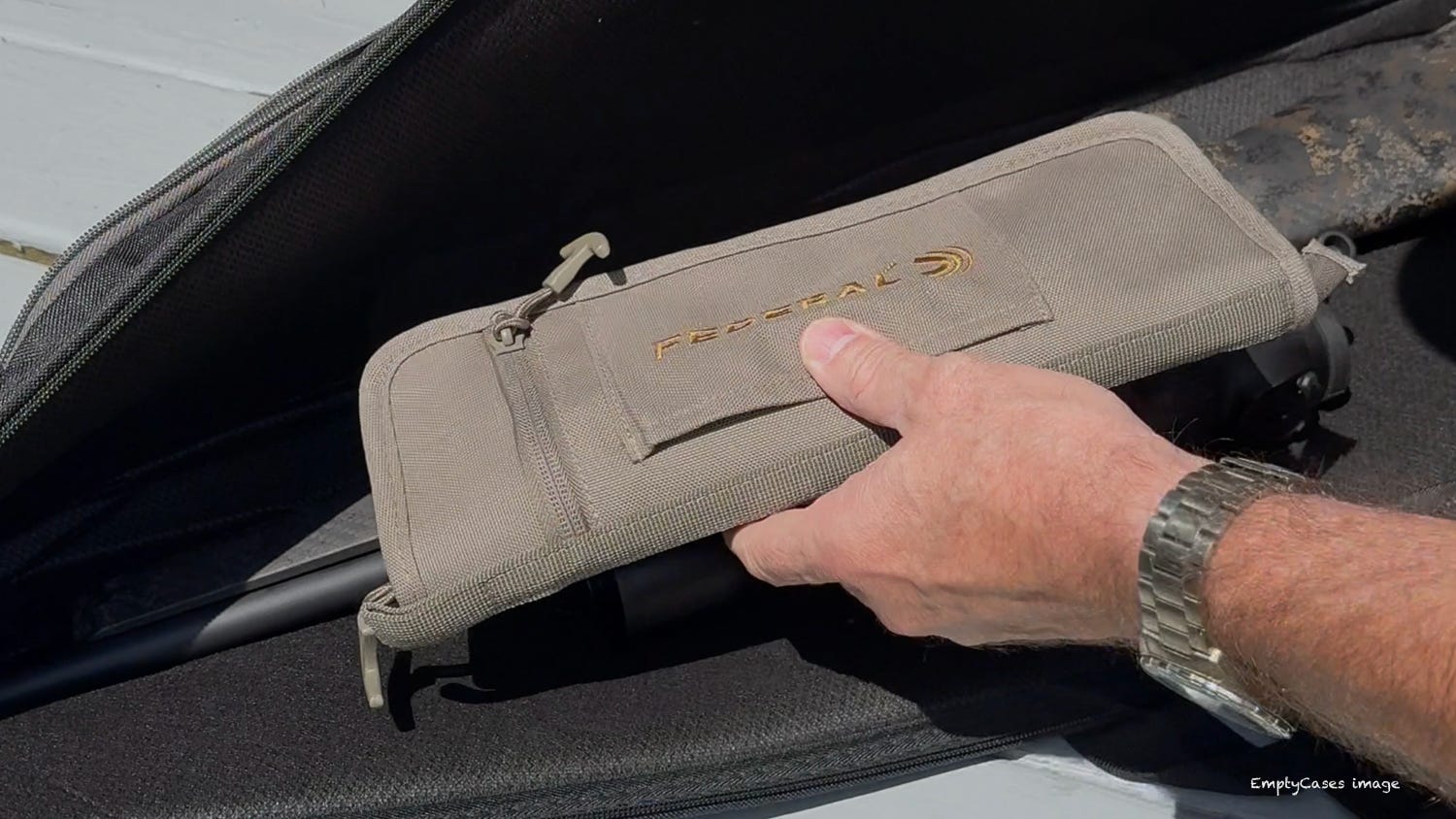
Since I shoot at home and carry my guns the 150 yards from my range to my house in my side-by-side, I don’t have to worry about this too much, but a lot of shooters do. Federal recently sent me a neat accessory they call the “Suppressor Case.” It is an envelope looking Cordura like case that will hold a suppressor up to 10 inches long, and you just slip your hands into two slots, wrap the case around the suppressor and unscrew it. It has a heat protective lining and a zipper. It also has a zippered external pocket where you can store your thread protector. You can order direct from Federal for $39.99.
Accuracy & Precision
When you’re shooting with a suppressor it’s important to realize you have added between around 8 to 16 ounces to the muzzle of your rifle. Most shooters know that anytime you add weight and length to your rifle’s barrel you will most likely experience a point of aim/point of impact shift. But because of barrel harmonics the addition of a suppressor can also improve or degrade precision. Like I mentioned before, I test a lot of rifles and fortunately I have a decent selection of suppressors. What I’ve most often seen is that most rifles tend to deliver better precision when suppressed, but this could partly be because the noise and recoil are reduced. Humans are after all the weakest link in the system.
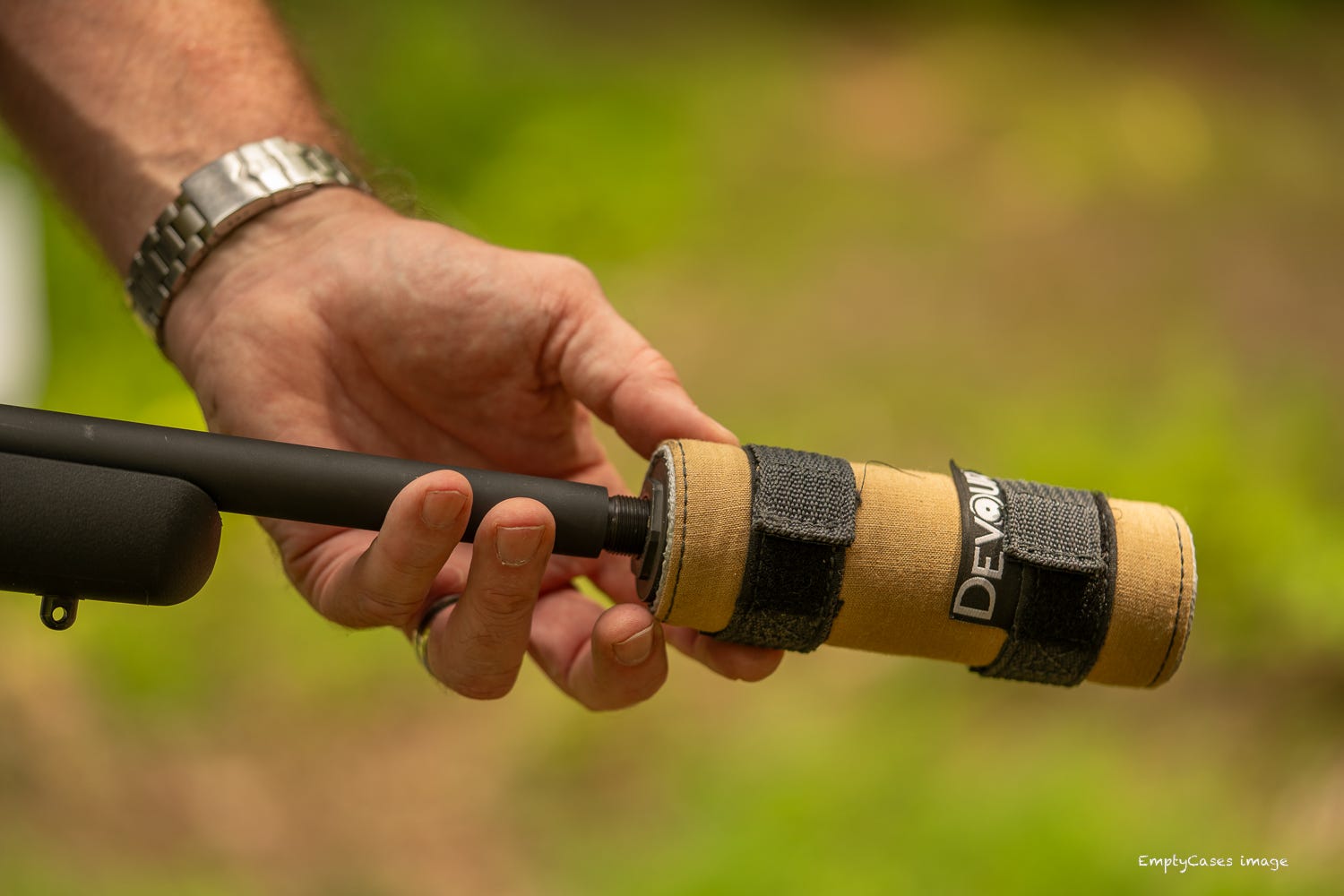
When I begin the precision testing of a new rifle, I always shoot several groups with the rifle unsuppressed to get an idea of base-line expectations. Then I suppress the rifle for the following 15 or so groups I fire. By making the rifle and shooter interface more comfortable it helps me shoot better. However, on a few occasions I’ve seen rifles shoot worse when suppressed. It’s rare but it does happen. I was testing a rifle from Weatherby that was shooting between 1.0 and 1.5-inch groups unsuppressed, and when I suppressed it group sizes doubled. I switched suppressors and the rifle settled down and ended up averaging less than an inch for multiple loads.
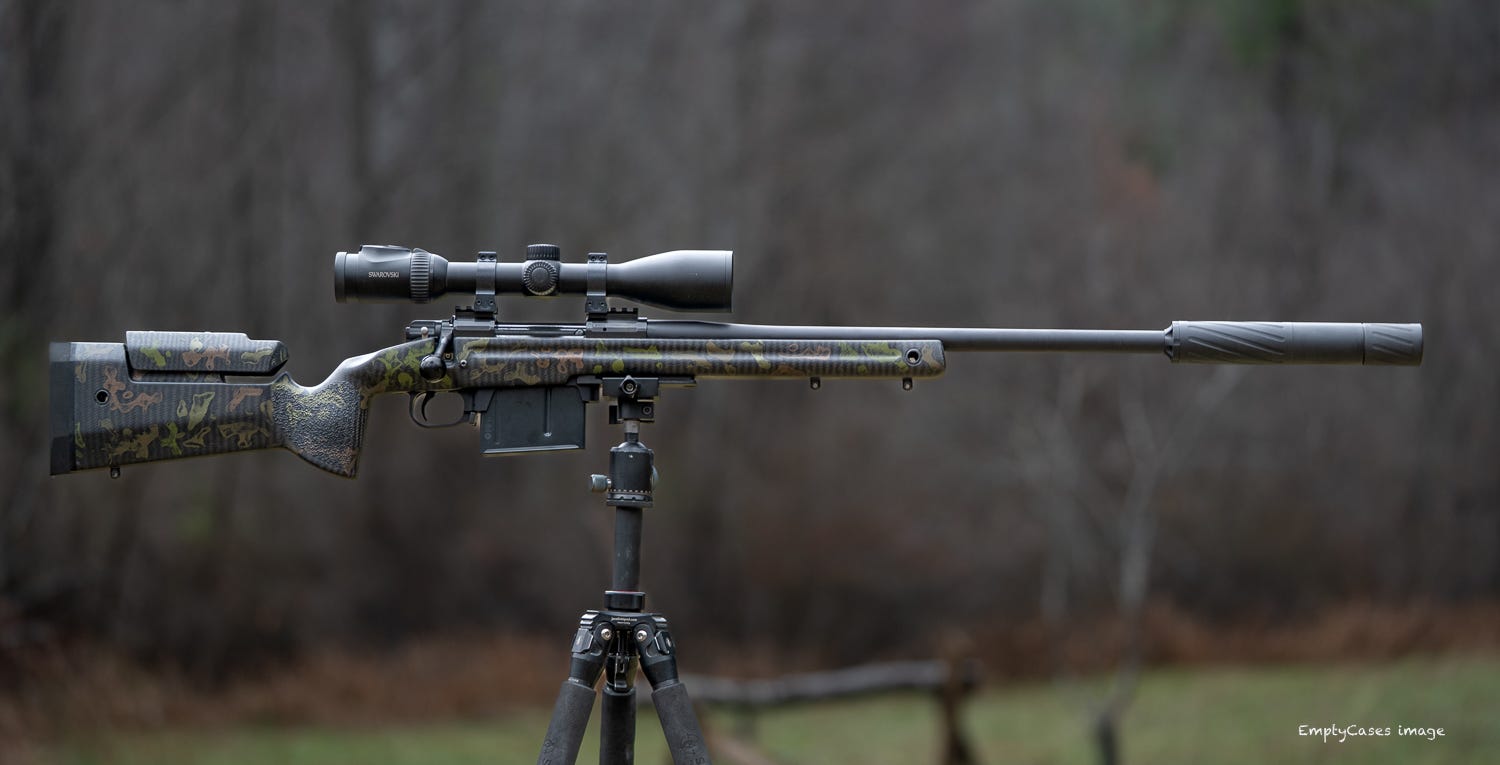
If a rifle seems to shoot worse suppressed, don’t give up on it. If you have a different suppressor to try—or maybe a friend does—you might find that another suppressor is a better match to your rifle.
Back to the Current Legal Question
While most shooters are operating with the mindset that the government now has less control over their shooting interests, what the court most blatantly said to congress was if you just adjust the tax on suppressors to $1 or maybe $10,000, everything goes back to the way it was. The court did not decide whether suppressors are constitutionally protected arms or if they fall within the “common use” consideration. It basically told Uncle Sam that if he wants to continue the registration of suppressors, he must tax them.
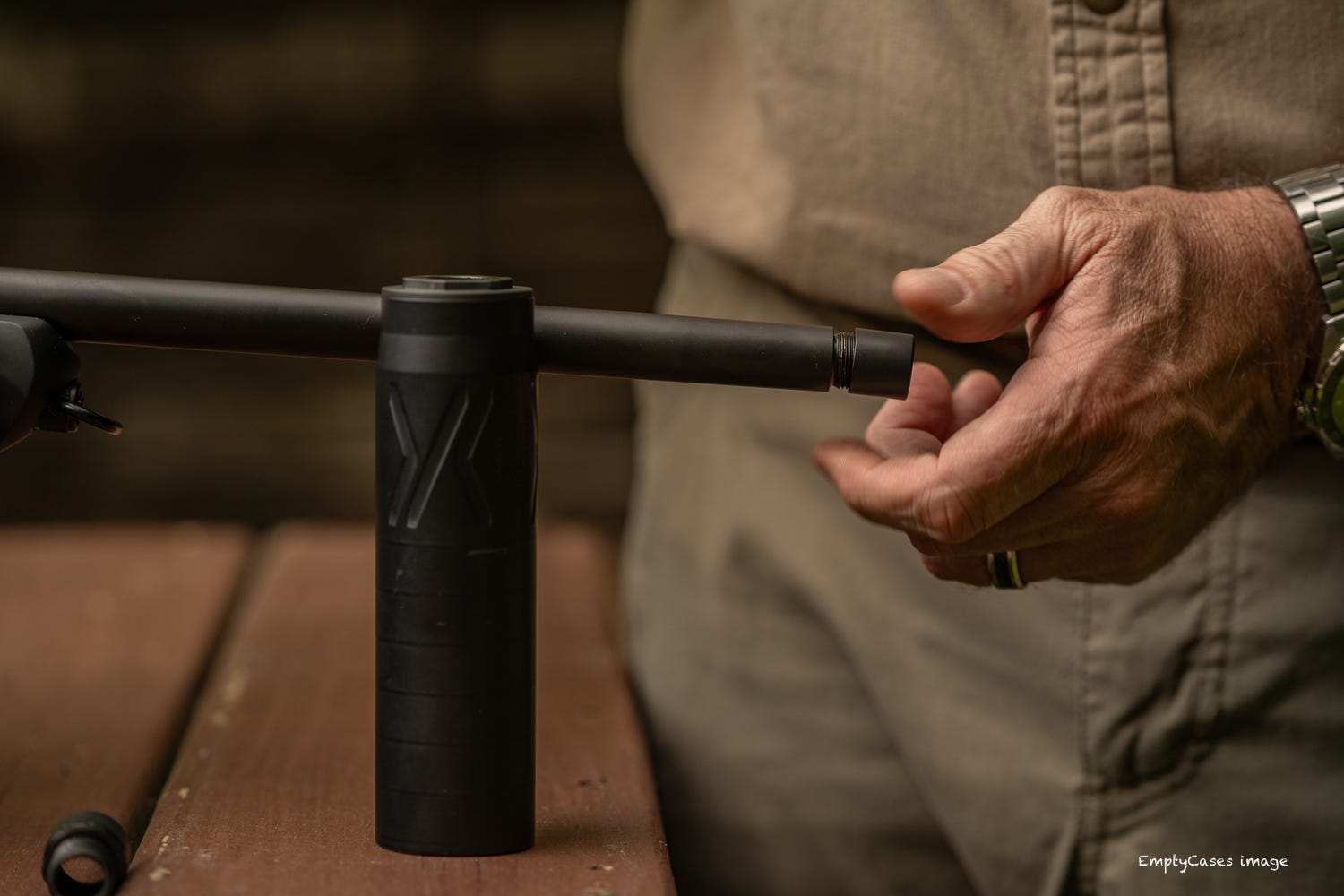
The downside to all of this is that the suppressor question will not go before the supreme court in a manner that could potentially remove them from the NFA or eliminate the NFA requirements all together. Furthermore, if that question would arise in a legal manner, now there is no guarantee it would reach the supreme court before its seemingly pro-2A makeup might change. Mostly, the current suppressor, SBR, SBS, and AOW situation has created a labyrinth of the unknown that is most likely to be bogged down with legalese and new rules.
How all this will sort out is a lottery like proposition and very few who play the lottery experience a joyful conclusion. It will most likely take an act of congress for any of this to be sorted, and I think wading through a pit of black mambas might have a more pleasurable outcome than trusting our 2A rights to elected officials whose primary purpose is the perpetuation of their livelihood and the continued growth of government.
Some Good News
However, on the positive side, this administration has sorted out the ITAR requirements on suppressors that previously prevented them from being taken out of country by sportsmen. I know, many of you have taken suppressors to Africa for safari by just tossing them in your luggage, putting them on a 4457, or by using your tax stamp as proof of ownership, and you did so without any problems. (I’ve done it all three ways.)

What you probably didn’t know was that you were violating the law and CBP officials were just ignoring or overlooking the violation. Per ITAR (International Traffic in Arms Regulations), it WAS NOT LEGAL to take a suppressor out of the country without a permit, and the permit process was enough to cause an aneurism if not a mental breakdown. To make it even worse, the fine for the violation was stout enough to financially ruin most folks. Thankfully, it’s not an issue anymore.

Click the image above to order my latest book, Rifle Cartridges for the Hunter, which details my experiences hunting with 50 different rifle cartridges over the last half-century.
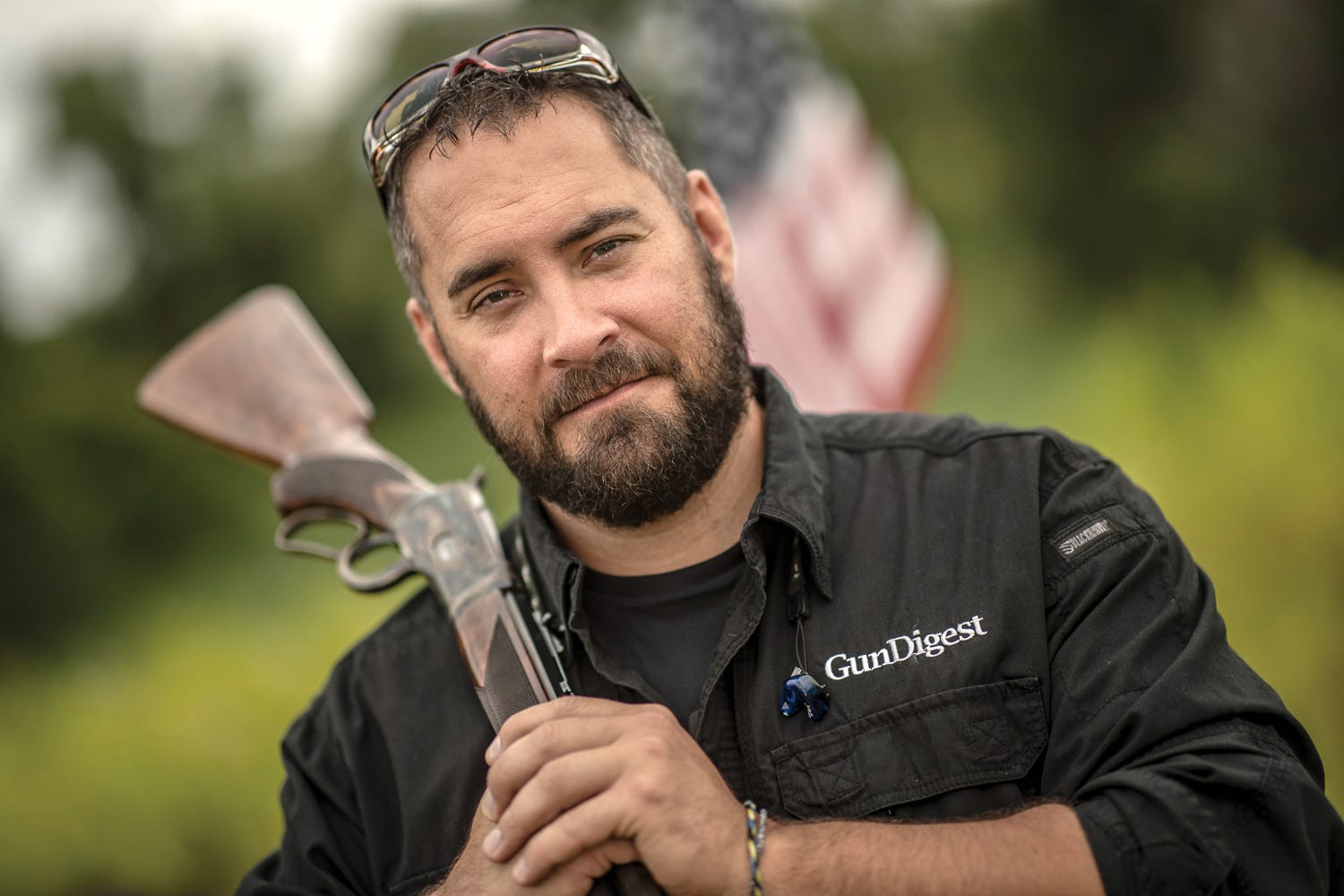
“When most authors put words on a page, they either become an entertainer or educator. Richard has the unique ability of being both simultaneously, and this book is a shining example of that gift.”
Luke Hartle, Editor-in-Chief, Gun Digest
“As a result, he's learned a LOT about many hunting cartridges, and his experience and insights are well worth reading, partly because he's such an entertaining writer.”
John Barsness, Rifles & Recipes
I could not live there.
I've seen her stuff on line.