

The Way the Wind Blows
Deer Camp

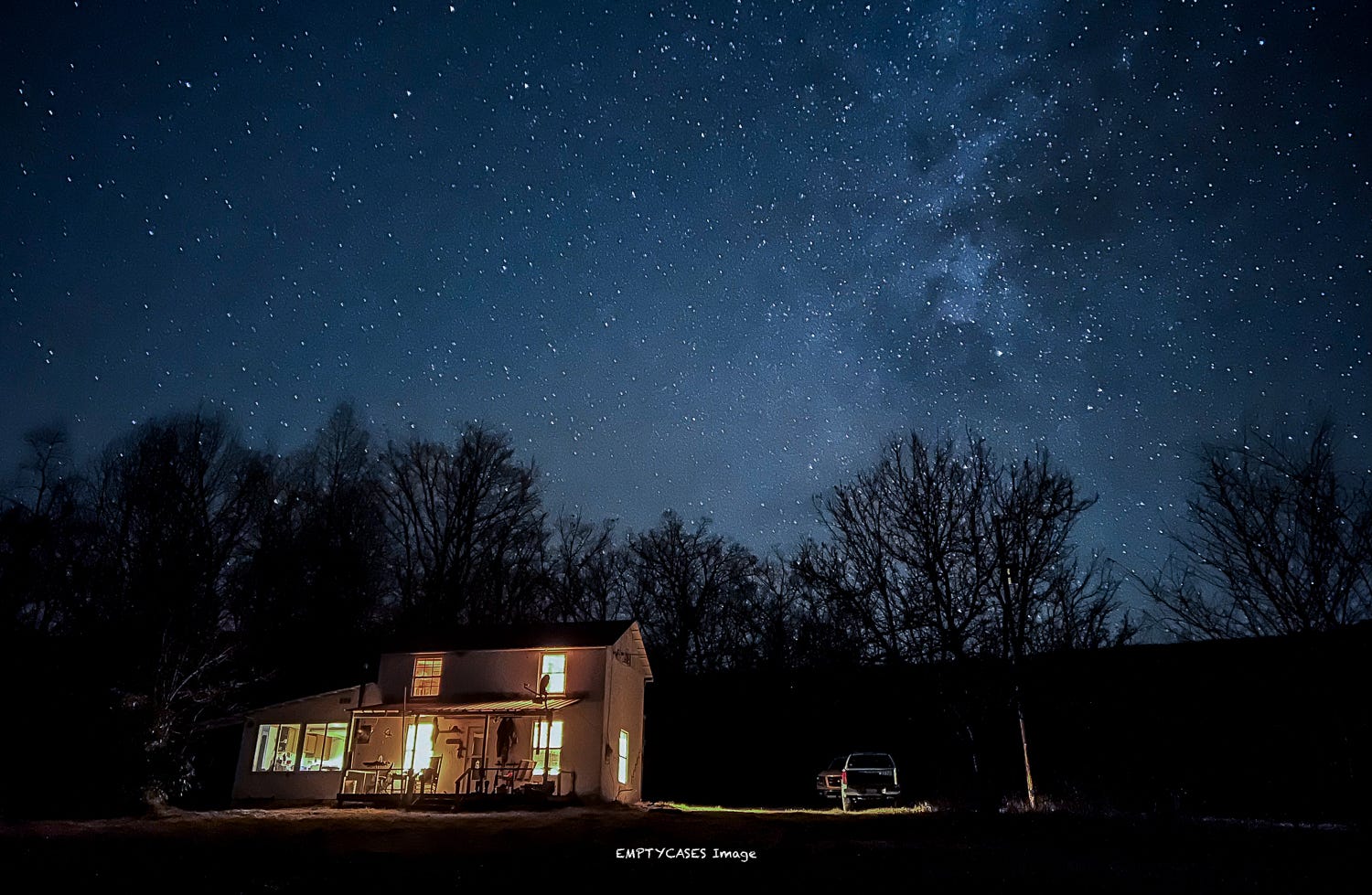
Sometimes the wind blows like hell, there. It blows the hardest when it comes from the west, across Devil’s Hole and the top of the South Branch Mountain, and then down the steep eastern slope into bowels of Pot Lick Cove. When I was younger, I never paid much attention to the wind. I was more interested in poking a stick in the fire and smelling the grease, as it softened and seeped into the leather of dad’s boots, he’d placed close to the flame. The sound I remember most was the sandpapery metallic rasp of carbon steel on a whetstone as grandpa sharpened a blade. But now, when that west wind blows, like it’s angry at the trees, the hills, and the hollers it must pass over, it moans. Not a sad, depressing moan, but more of a long drawn out sigh, like a groan of relief, welcoming me home, to deer camp.
In 1962 my family did not deer hunt, they were houndsmen. Someone he trusted told Grandpa all the raccoons in West Virginia lived in the eastern panhandle, so he found the family some land, a long six hour ride from home, and they spent one summer living in an old abandoned, one-room schoolhouse, building a hunting camp. To me, it was not just a camp, it was a castle. A bastion of knowledge where a clan of blood relations celebrated the freedom many of the members had fought to retain. It stood out, starkly, in the forest, looking as much like it belonged there as it looked out of place.
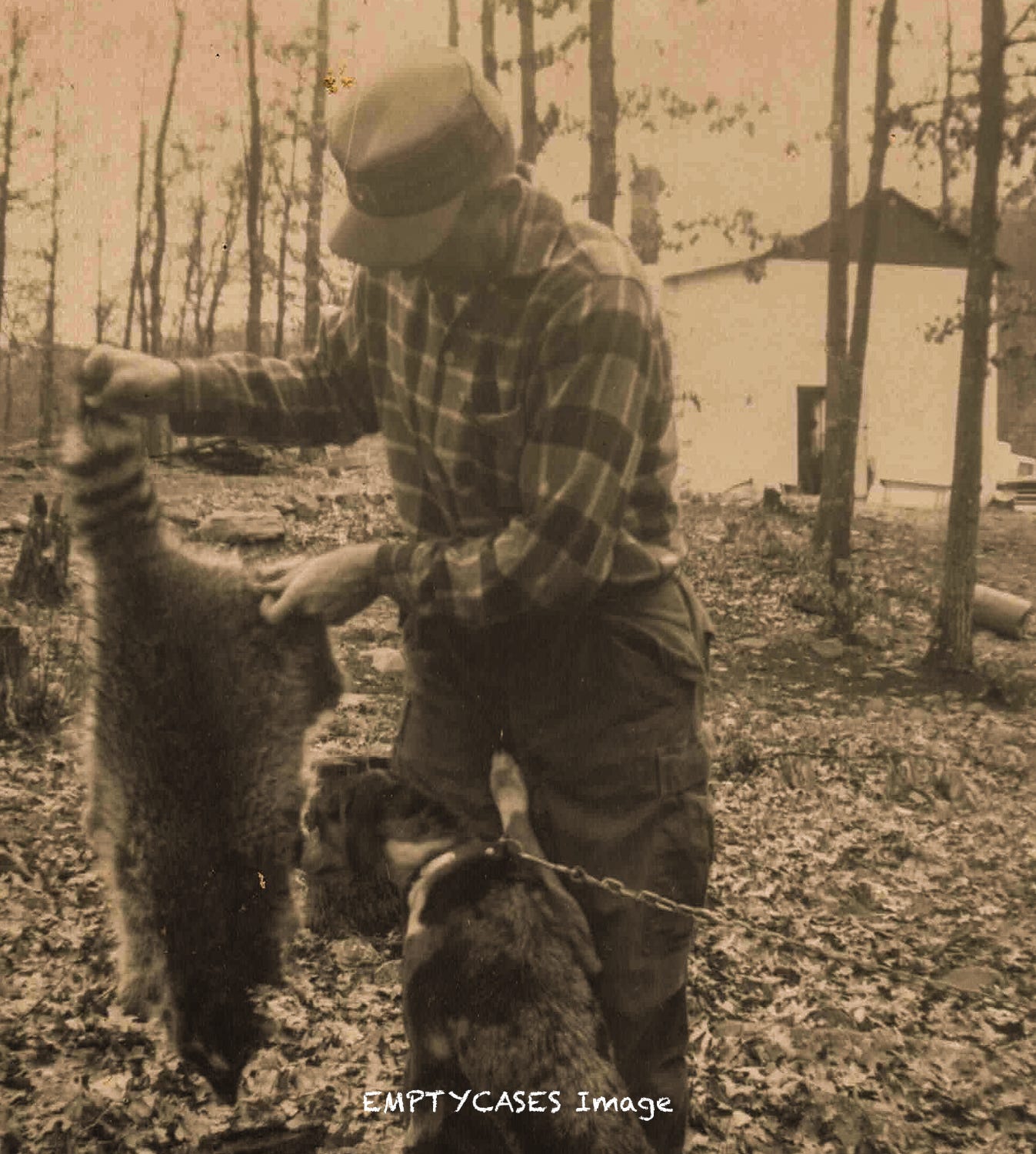
Grandpa was the king, and my father, uncles, and cousins, were his knights. They learned to hunt everything the Allegheny Mountains had to offer. Each with their own and different preferred weapon, they owned the forest, and every evening they would gather round the massive table to revel in their deeds and celebrate the kingdom they’d created. I desperately longed for knighthood, not knowing exactly how to earn it, I did the chores. I carried the water from the creek, split the firewood, banked the stove, cut the brush, skinned the squirrels, and quartered and butchered the deer. I learned to grease my own boots, sharpen my own knife, and I learned how to shoot and how to hunt. I wanted my seat at that great table.
But that table is not as great as it once was, and I feel that’s the case with many deer camps. Grandpa passed when I was 14, and with the king gone, the knights went their separate ways. For a while, my sister and I were all that was left to manage the kingdom, and with only a few remaining who could remember it as citadel it once was, it wasn’t the same — its survival was in question.
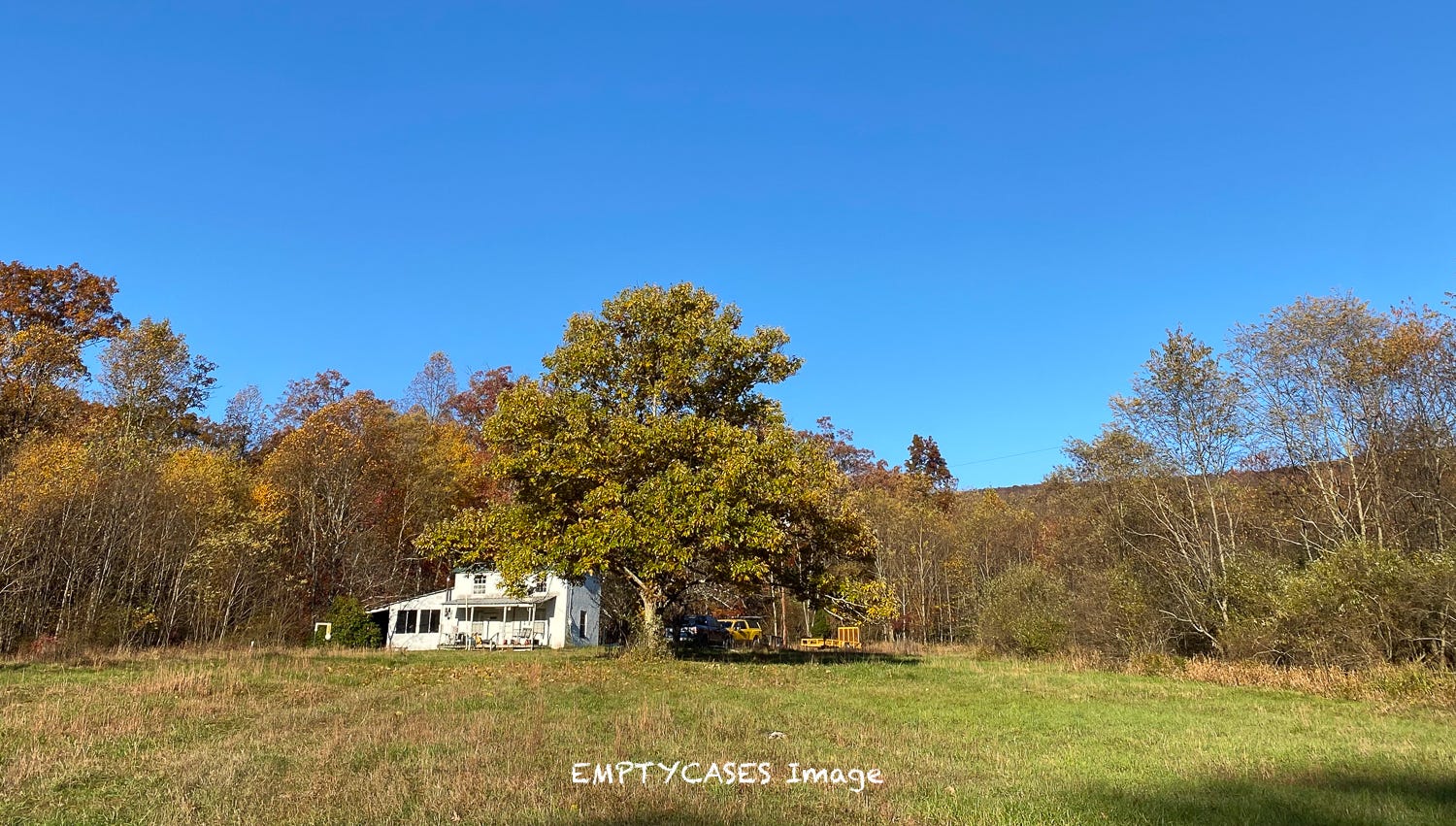
But that all changed one fall not all that long ago, under the golden, red, and cooper colored leaves, when another young man found the same solace and inspiration there that had comforted and driven me, my father, and his great grandfather. Knighthood earned, he now makes the pilgrimage to the kingdom in the summer to tend the grounds and work the repairs. In the early fall, to scout and recharge, and later, when the winds howl, cold and piercing, and moaning-like, to hunt the whitetail deer.
The kingdoms all around the old castle have changed. Lords in the neighboring realms guard adjoining borders that were once only a blurred suggestion, and everyone pushes back against the orange-clad heathens who wander in from the west and spread out across the landscape like a crazy woman’s quilt. The castle has changed too. It’s been modernized, with heat that comes from a power line as opposed to a wood stove, and with connectivity to the outside world through a satellite.
But none of that really matters.
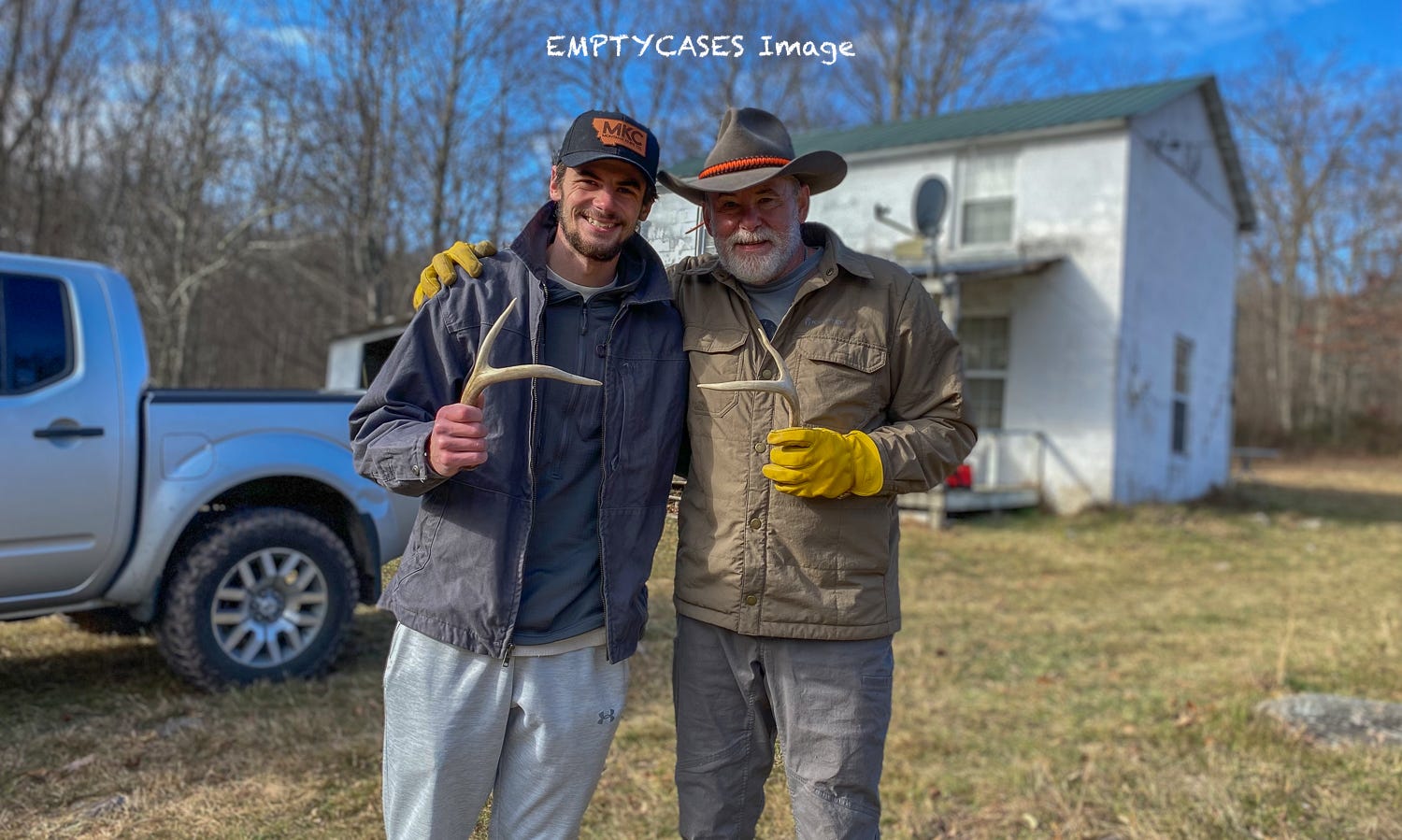
What’s matters, what’s important, is that the traditions will continue, because there’s now a fourth generation knight at the table. And if the hunting gods do not abandon us, someday there will be a fifth, and another young man will poke a stick in the fire, smell boot grease, and hear the sharp grinding of steel against stone. Hopefully, he too, will long for knighthood, and he will undoubtedly hear that wicked wind as it rolls down the mountainside like a freight train lost on its own track.
We can only wonder what the wind will tell him.
The way that you wander is the way that you choose,
The day that you tarry is the day that you lose.
Sunshine or thunder, a man will always wonder.
Where the fair wind blows.
Jeremiah Johnson - 1972