

The Whitetail Rush
And the gamble to get it.

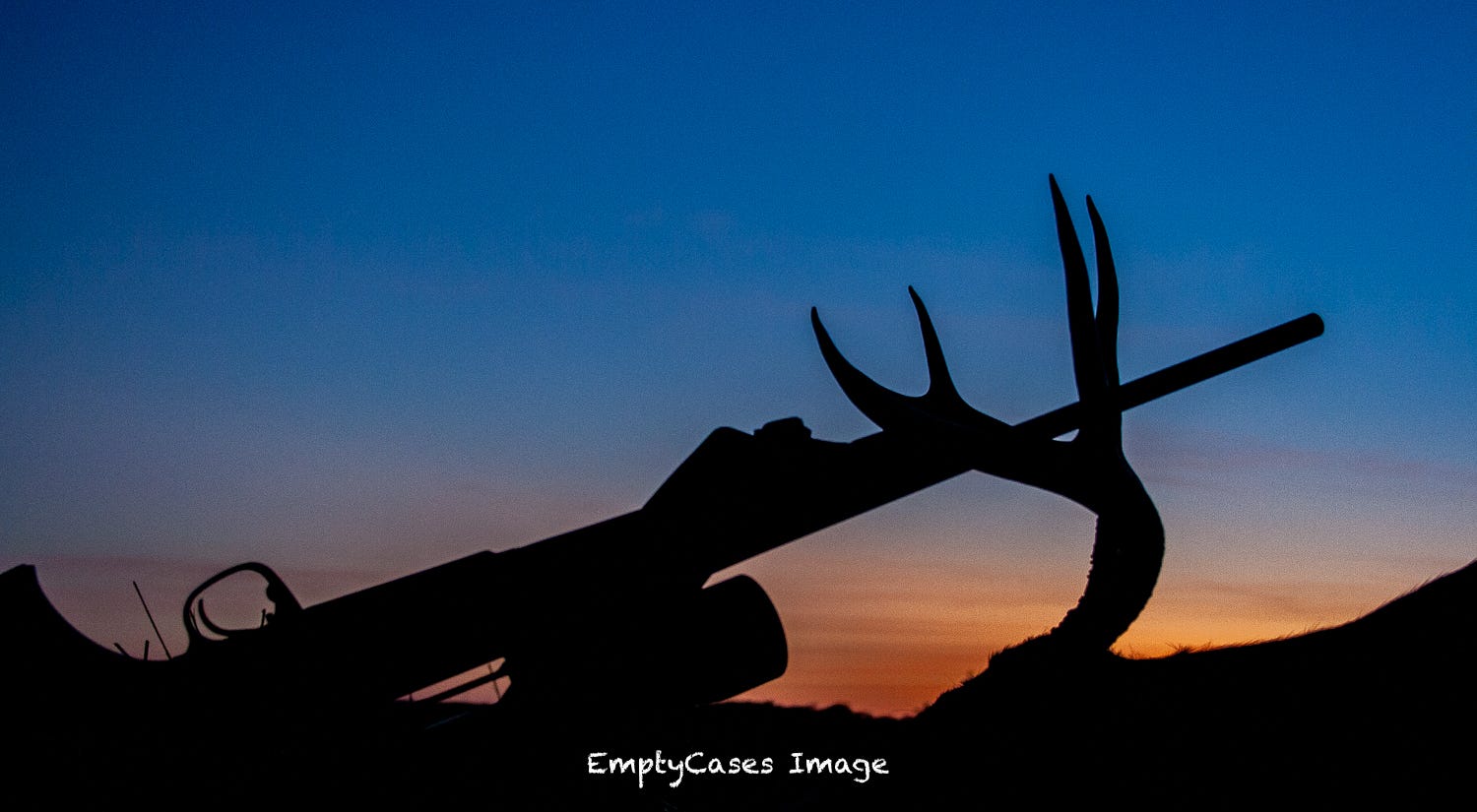
When he appears, his influence on your body and soul is like nothing else you’ve ever experienced. He will create a mental smudge you will never wash away. A big whitetail buck stepped onto an old logging road only 35 yards away from me on opening day when I was 14. I never got a shot, but I have never forgotten him. My father could not remember the name of the soldier he shared a foxhole in Korea with for eight months, but he told me he had never forgotten any of his encounters with an antlered whitetail deer.
Like a phone call from a telemarketer, during the rut a whitetail buck can come at almost any time. But instead of an unwanted annoyance, his appearance will hit you like a freight train thundering along an unrestricted section of track, whistle moaning, only a second before impact. Doctors explain the physiological response with a chemical called adrenalin, which is naturally produced in the human body, and naturally released during moments of high stress and anxiety. But, at least for me, all adrenalin is not equal.
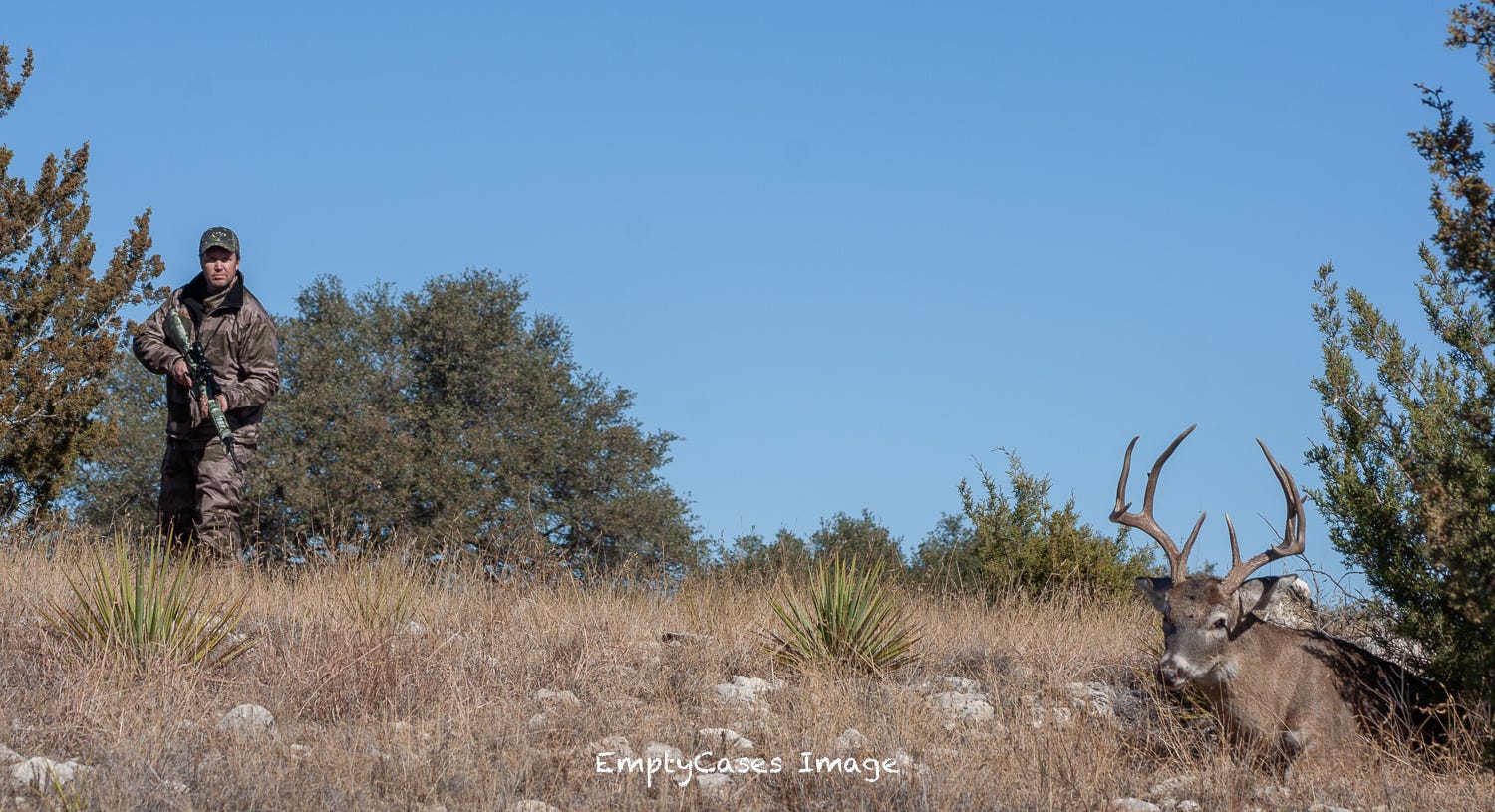
Also known as epinephrin, adrenalin is a hormone and medication produced by the human adrenal gland. Oddly enough it’s used to treat a cardiac arrest, which is exactly what you’ll think you’re having as the adrenalin courses through your body when a whitetail buck materializes from nothingness, grunting, drooling, and chasing a whitetail doe. I’ve experienced adrenalin at the outset of sporting contests, on the street as a cop, high on the Southern Alps of New Zealand, in the green and foggy forests of Ireland, and on the unforgiving and relentless African veld. The adrenalin rush—the whitetail rush—I’m talking about is different. Very different.
