

Timed Training
Effective use of shot timers during practice.

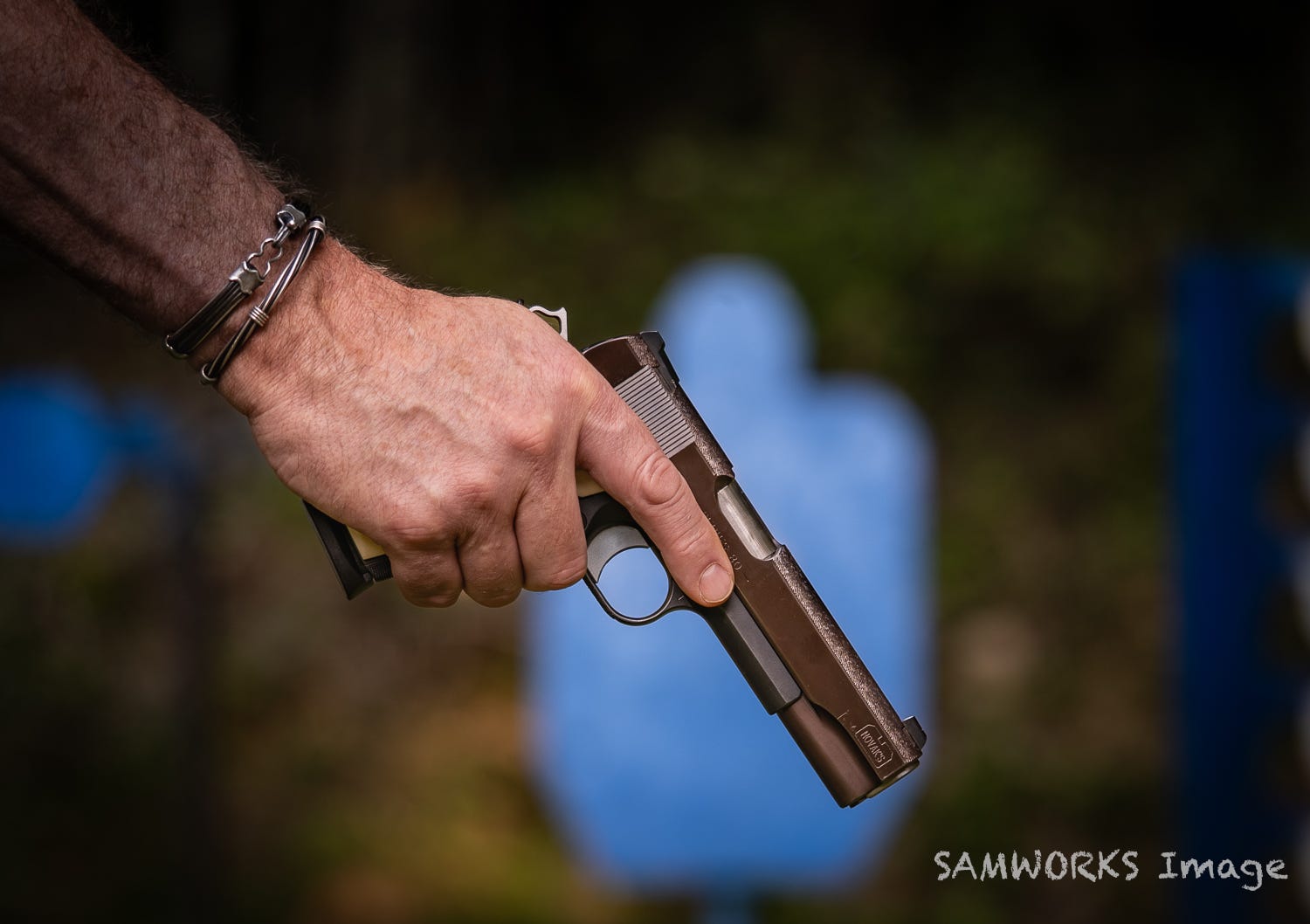
I often write about firearms training, not because I think I’m some sort of master firearms trainer, but because I want shooters to better understand the process of learning to shoot a gun effectively, consistently, and efficiently. These three things are very different. Effective use of a gun is the accurate application of bullets, consistent use is repeated effectiveness, and efficient use is fast and effortless management.
Let’s say the goal is to draw your handgun from concealment and place a shot inside an eight inch circle at 10 yards, or maybe to take your rifle and hit an eight inch target at 50 yards. If you can do either, every time, you’re consistent. But you’re only efficient if you can do it quickly.
You can qualify shooting effectiveness through the binary representation of hits or a misses, and effectiveness should always be the primary determining metric because the purpose of shooting is hitting. We all miss sometimes, partly because none of us are perfect, but also because we sometimes attempt to do things more efficiently than we’re capable of. Then we use percentages to excuse our inconsistency. If you attempt a drill 10 times, but only get seven hits, your effective consistency would be 70%. This sounds better than saying you failed, but it also teaches us accept or allow misses when practicing.
Why would anyone want to practice missing?
Efficiency is a much more difficult thing to quantify because it involves time, and time is a non-binary metric of measurement. Some trainers and shooters tend to make time the most important consideration, and this can have a negative impact on skill development. The problem with this is that without effectiveness and consistency, time means very little.
SIDEBAR: MISSING
Though probably best left for another article, this emphasis on time and the acceptance of shooting failure – misses – is why shooting skills sometimes plateau at a level below a shooter’s capability. It sounds good to say you scored 90% on a drill or qualification, but what that really means is that you were 10% ineffective. As a police firearms trainer I often wondered how I would provide testimony in defense of an officer who we allowed to carry a firearm, but who was also only 70% to 99% effective. In some qualification courses of fire, you can miss the target several times and still qualify – even if you fired your missed shots in the direction of the range officer.
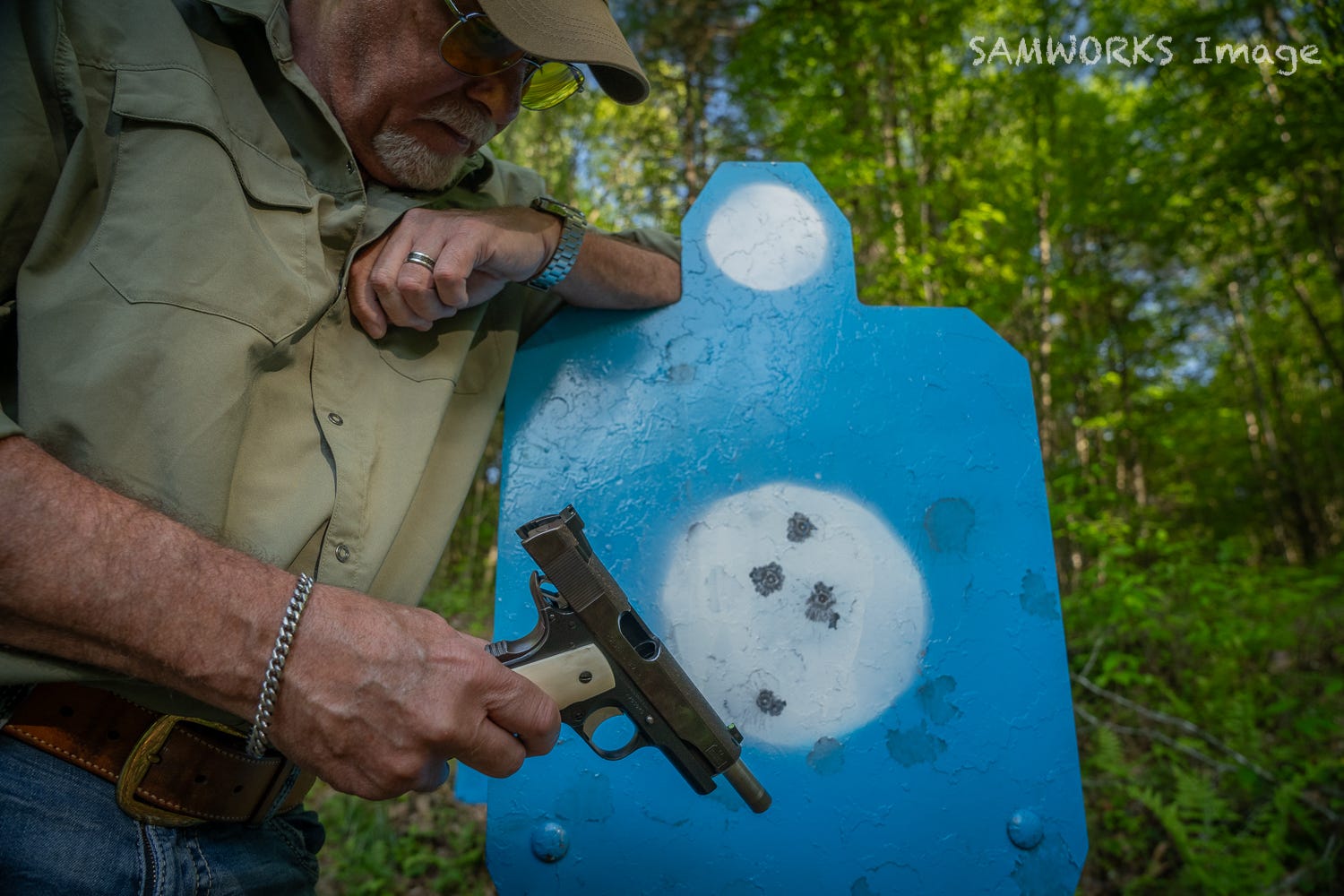
I know you’ve probably seen videos where a trainer or shooter attempts to perform a shooting drill within a certain time. They’ll run the drill multiple times using the shot timer see how fast they can do it. Some attempts may be failures because they were too slow – inefficient – and others maybe because they missed – were ineffective. Either way, they were inconsistent. These shooting displays or measurements are
